

Bamboo Flooring For Sustainable Living
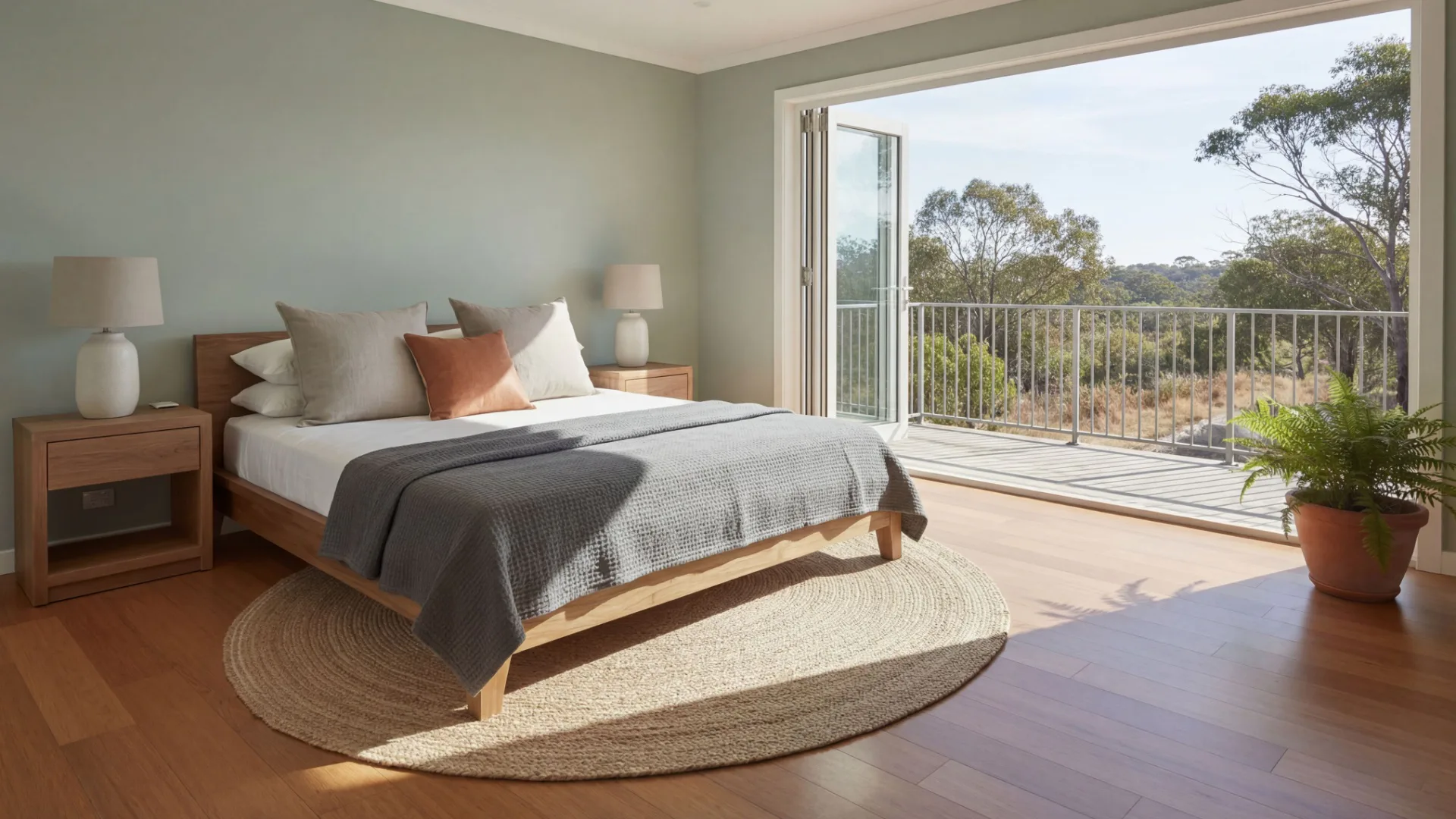
Want this look?
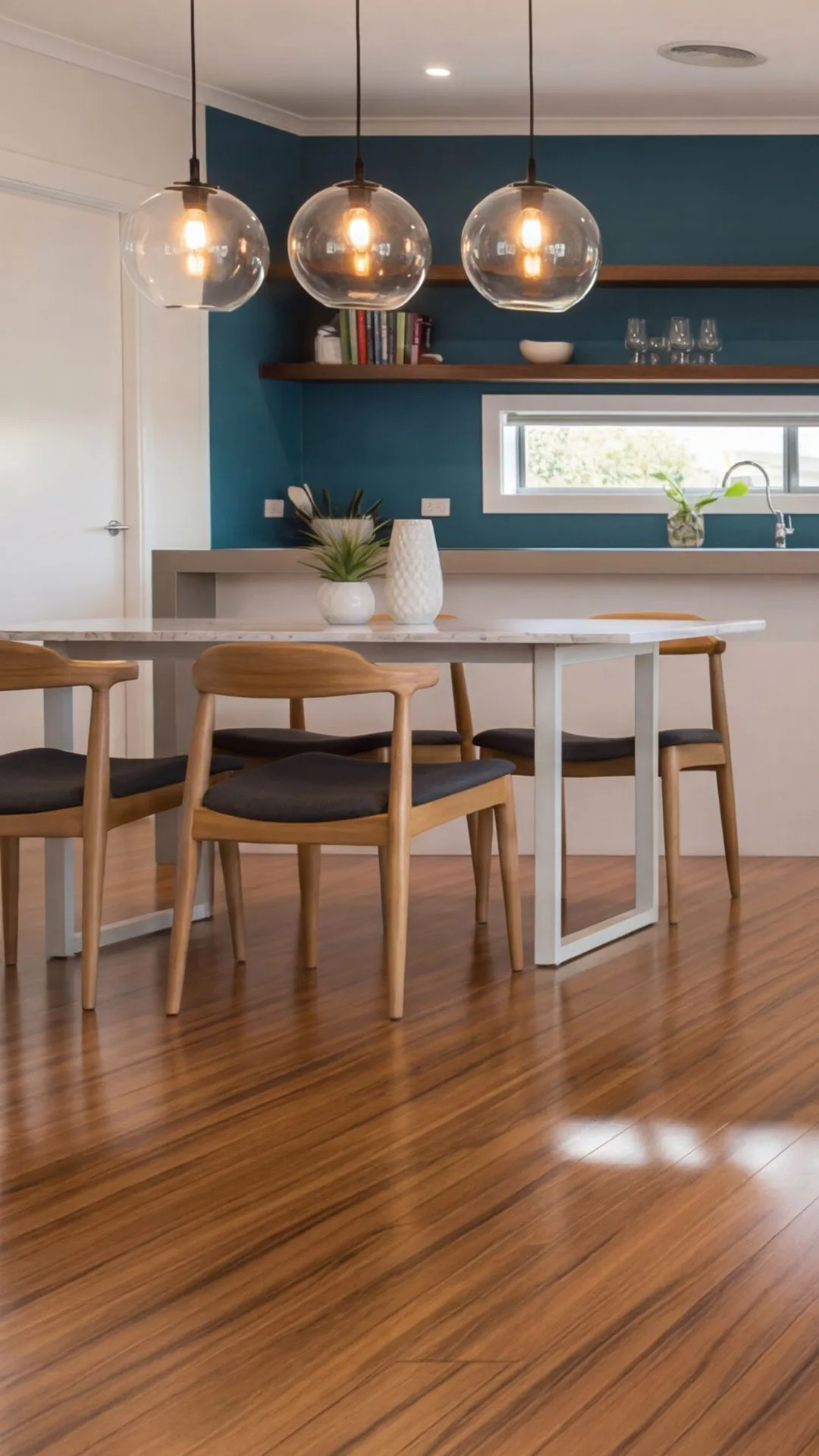
Durable
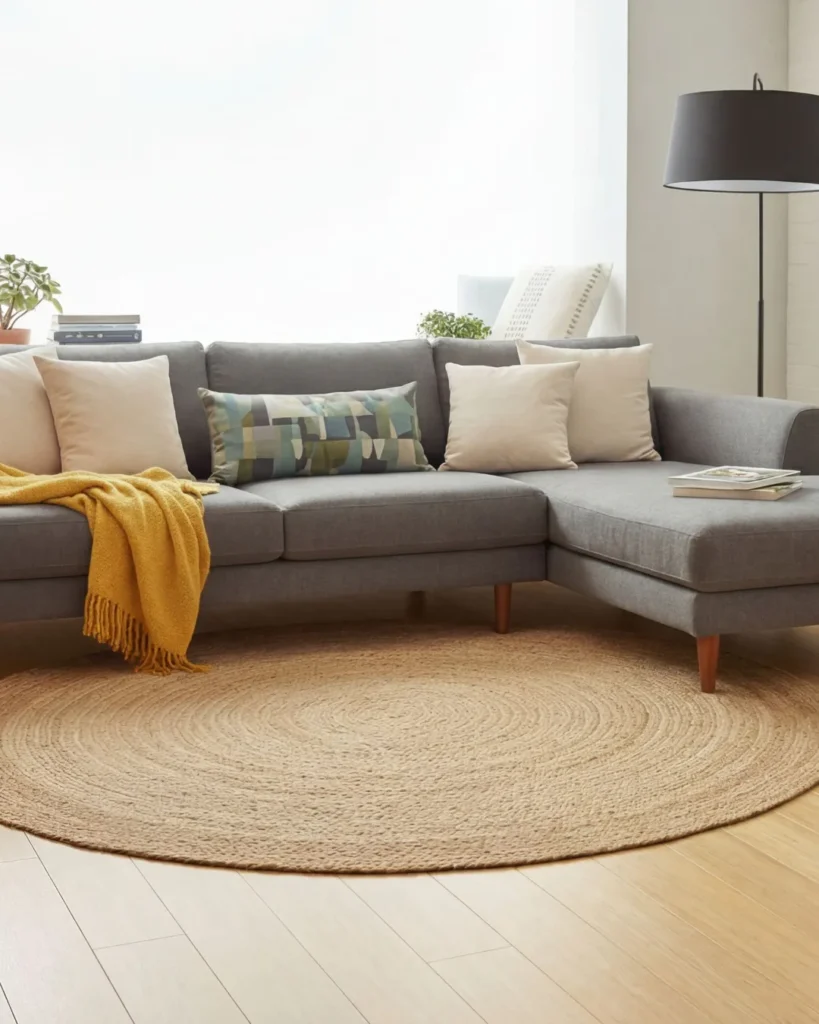
Sustainable
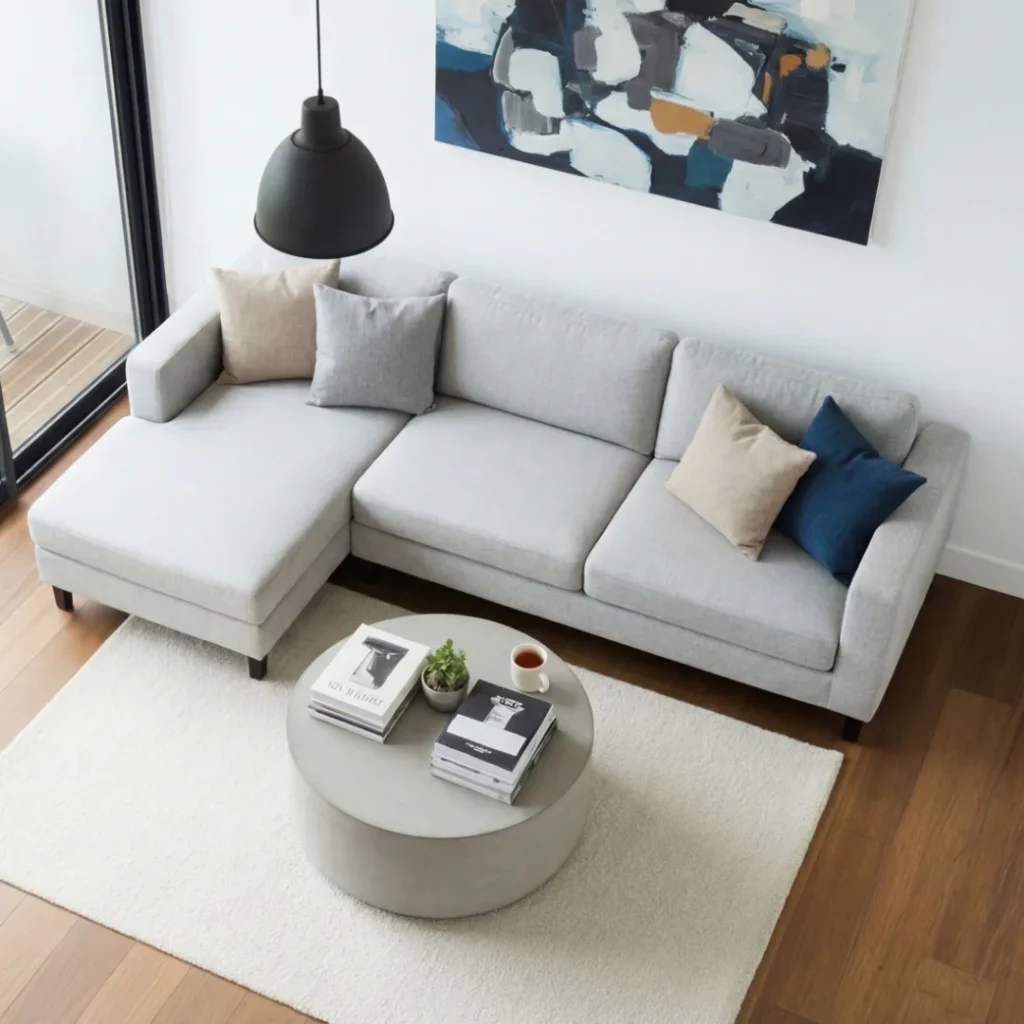
Natural
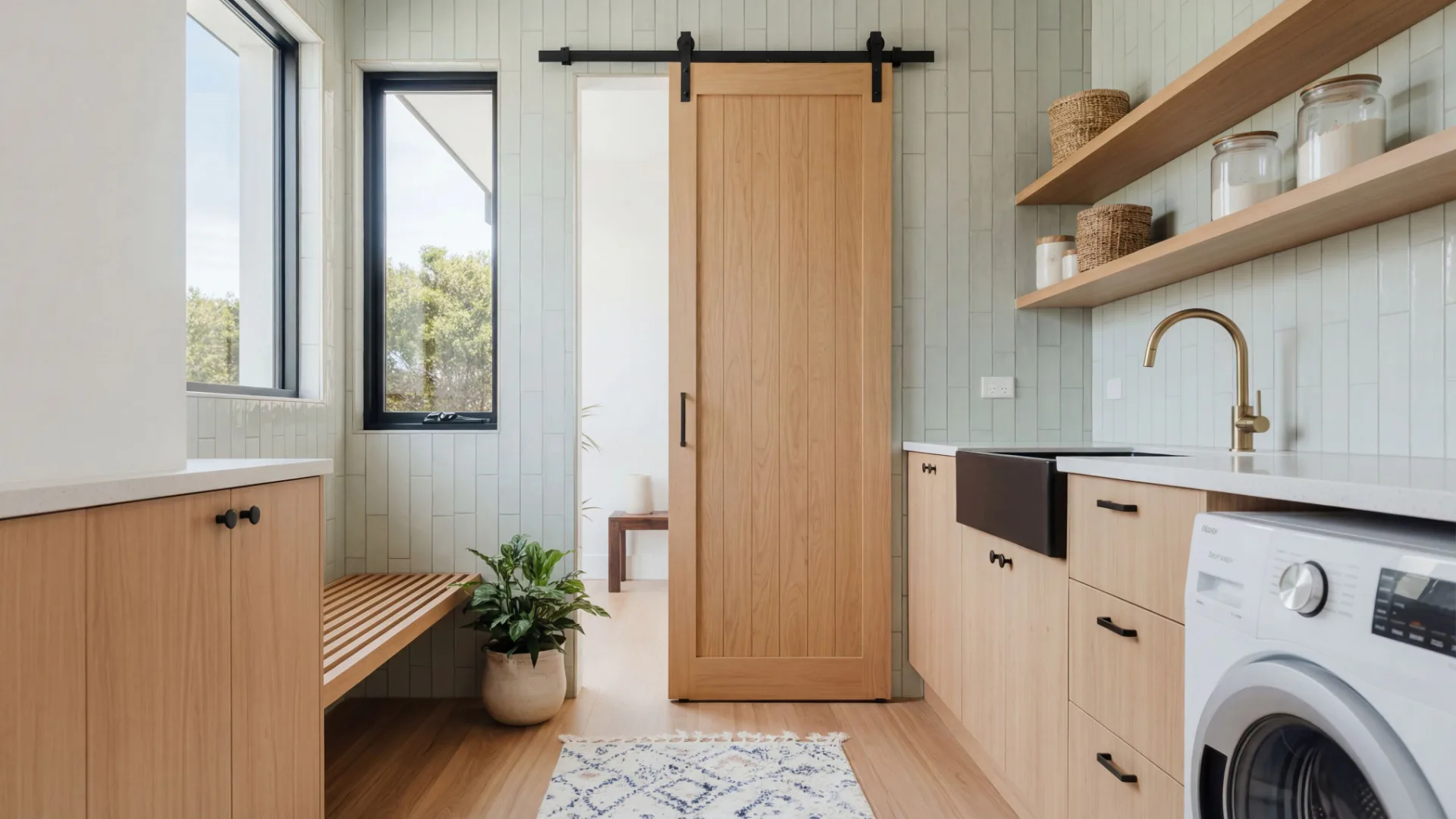
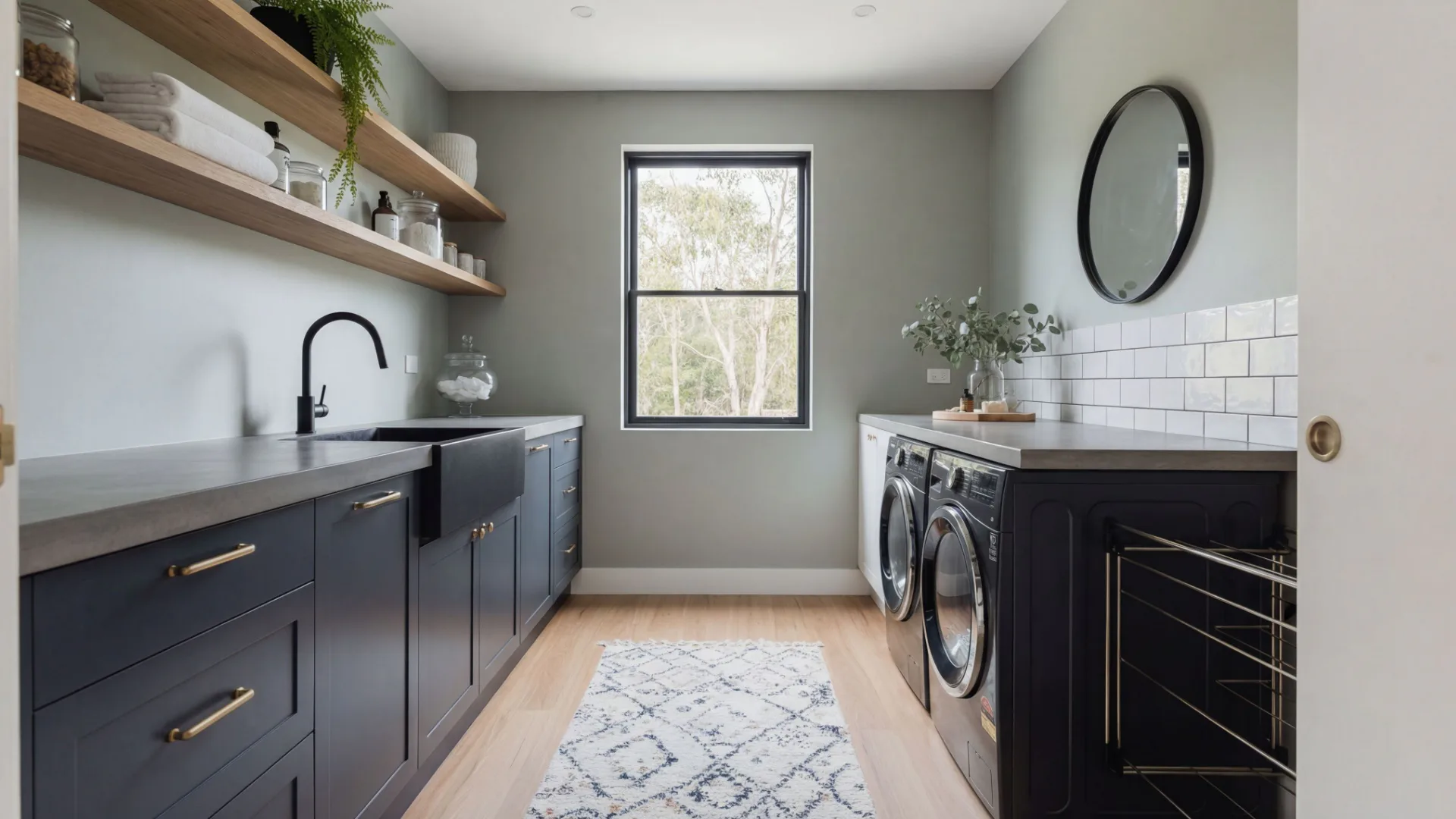

Find a store
Port Adelaide Carpet One – Adelaide North


Selective Carpet One – Adelaide South
Glendowie Carpet One
Carpet One Stafford
Carpet One & Curtains Logan City
Carpet One Redcliffe Quality Floor & Home
Barritts Carpet One Bundaberg
Simons Carpet One Burnie
Carpet One Canberra
Central Coast Carpet One
Simons Carpet One Devonport
Carpet One Fairy Meadow
Carpet One Forster
Delta Carpet One
Carpet One Bundall
Carpet One Goulburn
Goulburn Valley Carpet One Floor & Home
Tassie Floorcoverings Carpet One Hobart
Hoopers Carpet One Ipswich
Carpet One Lithgow
Momentum Carpet One Preston
Sharps Flooring Carpet One Cranbourne
Sharps Flooring Carpet One Mornington
Hills Blinds & Floor Coverings Carpet One
Watts Bros Carpet One Rockhampton
Kaando Carpet One St Helens
Sunshine Coast Carpet One & Tiles Caloundra
Sunshine Coast Carpet One & Tiles Maroochydore
Image Carpets and Blinds
Carpeteria Carpet One Bondi Junction
Carpet One Crows Nest
Carpet One Thornton
Carpet One Home and Commercial Toowoomba
Townsville Carpet One Floor & Home
Coast to Country Carpet One Wonthaggi
Most Popular Bamboo Products
Experience the full collection
If you’re trying to make mindful choices in your home renovation or new build, bamboo flooring is definitely worth considering. It brings the warmth and character people love in timber looks, while using a fast-growing grass rather than slow-growing hardwood trees.
Unlike traditional hardwood trees that can take decades to mature, bamboo is typically ready for harvest in around five to seven years. When it’s responsibly sourced and manufactured, it’s often seen as a more renewable flooring option. Harvesting the culms doesn’t necessarily mean the plant is lost either, as new shoots can regenerate from the existing root system.
With the right construction, good installation and everyday care, bamboo flooring can perform well in many living areas and suit a wide range of interior styles.
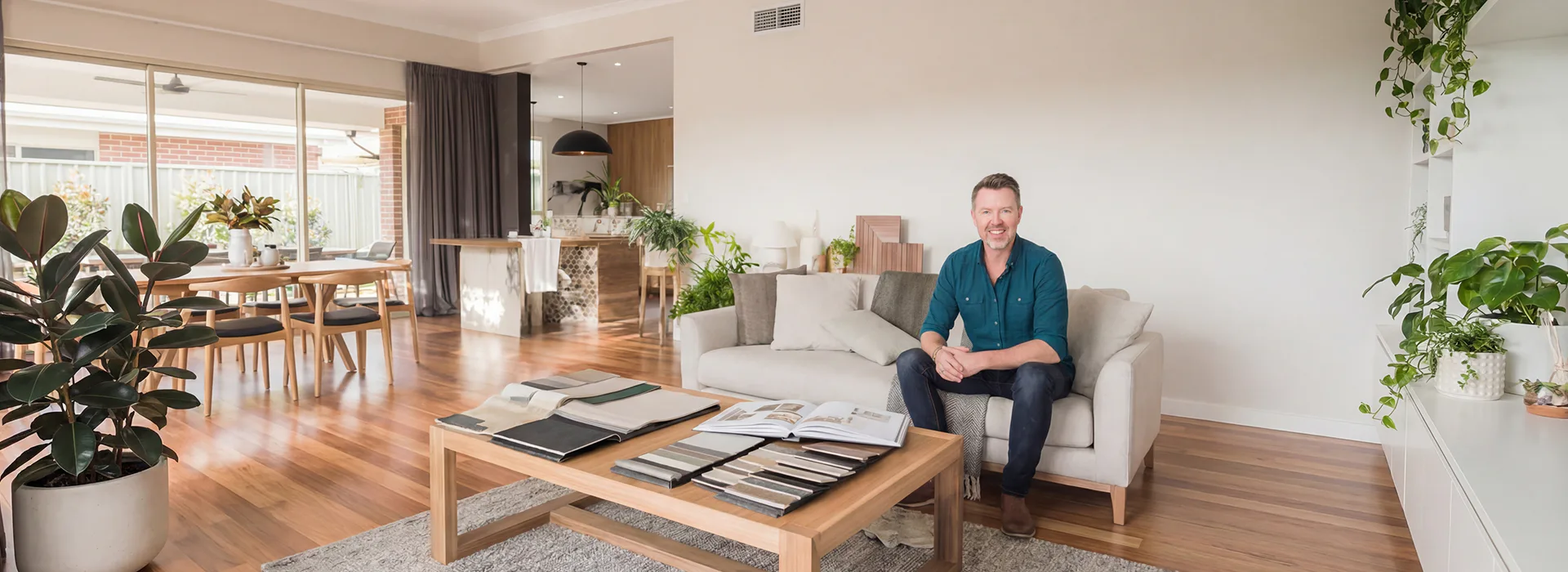
Need help deciding?
Discover realistic timber looks with low-maintenance performance, all designed to suit Australian homes.
Is Bamboo Flooring Right for Your Space?
Bamboo flooring is popular for its gorgeous, natural appearance and the way it instantly warms up a room. It offers a similar look and feel to timber flooring, but the final result can vary depending on how the boards are made.
Horizontal bamboo is made by laminating flattened bamboo strips together. This style shows the plant’s natural knuckle pattern and suits homes that lean classic or relaxed.
Vertical bamboo uses narrower strips set on edge, creating a tighter, more uniform grain with a clean, modern feel.
Strandwoven bamboo has a more varied texture. It’s made by shredding bamboo into fibres, mixing them with resin, then compressing the mixture under high pressure. This creates a denser board with a more irregular grain pattern, and it’s often chosen for higher-traffic areas. Depending on the range, strandwoven bamboo can match, and in some cases exceed, the durability of hardwood.
You’ll also find bamboo in a range of colours, plank sizes and finishes. Many products are pre-finished with protective coatings and offered in click-lock systems, with floating installation common across modern ranges. That can make it easier to move from installation to enjoying the space sooner.
Bamboo flooring can be used in most areas of your home, but it isn’t recommended for wet areas like bathrooms and laundries. In kitchens, it can work in some homes if spills are cleaned quickly and moisture is managed, but it’s important to check the product specifications for your space.
Not sure if bamboo flooring is right for you? Carpet One is here to help you explore your options and see if it’s the right fit for your space.
Care and Maintenance
Regular sweeping or vacuuming helps prevent grit from scratching the surface. Clean spills promptly using a dry or lightly damp cloth, then dry the area straight away to help prevent water marks. Avoid excessive water, harsh chemicals and abrasive cleaners, as these can damage the finish.
To help protect your bamboo flooring over time:
- Use felt pads under furniture and chair legs
- Place rugs or runners in high-traffic or spill-prone areas
- Maintain good airflow and manage humidity where possible
- Use curtains, blinds, or UV protection in sunny rooms to help minimise colour change
Refer to the manufacturer’s care and maintenance guide for product-specific advice.
How to Install Bamboo Flooring?
Most bamboo flooring is installed as a floating floor with a click-lock system over an underlay. The exact requirements can vary between products, so it’s best to follow the manufacturer’s installation guide for your chosen range.
A typical installation includes:
Subfloor preparation: The subfloor should be clean, level, dry and structurally sound. Moisture testing may be needed, particularly over concrete slabs.
Underlay: Install the manufacturer-recommended underlay (and moisture barrier, where required) to support the floor’s feel, sound and performance.
Planning the layout: Planks are usually laid in a consistent direction with end joints staggered for a natural look and a stable finish.
Expansion gaps: A small gap is left around walls and fixed points to allow for normal movement, then covered with trims or skirting.
Finishing touches: Doorway transitions and edging trims are fitted where needed, then the floor is cleaned before furniture goes back in.
Subfloor condition and moisture levels can affect performance and warranty, so testing and prep may be required.
Bamboo Flooring FAQs
We don’t recommend bamboo for bathrooms or other wet areas. In kitchens, it can work if spills are cleaned quickly and humidity is managed, but some homes may prefer hybrid or vinyl in spill-prone zones.
It depends on the product. Some bamboo floors can be lightly sanded and refinished once or twice, while others can’t. Always check the manufacturer’s specifications before planning refinishing.
Like most natural materials, bamboo can lighten or darken over time when exposed to direct sunlight. Curtains, blinds, or UV-protective window films can help minimise colour change.
When installed correctly with the right underlay, bamboo flooring provides a solid feel and helps reduce noise. Poor installation or incorrect underlay selection can increase sound transmission or make the floor sound hollow.
Bamboo flooring is generally more affordable than many timber flooring options, while still offering a similar natural look. Pricing varies depending on construction type and finish.
With proper installation and care, bamboo flooring can last 20 to 25 years or more. Strandwoven bamboo often offers greater longevity due to its density.