




Turn your living space into a peaceful, harmonious sanctuary with our 30-day decluttering challenge. This challenge draws from Japanese Minimalism and aims to help you declutter and cultivate a serene environment that uplifts your well-being.
The Japanese Minimalism Style
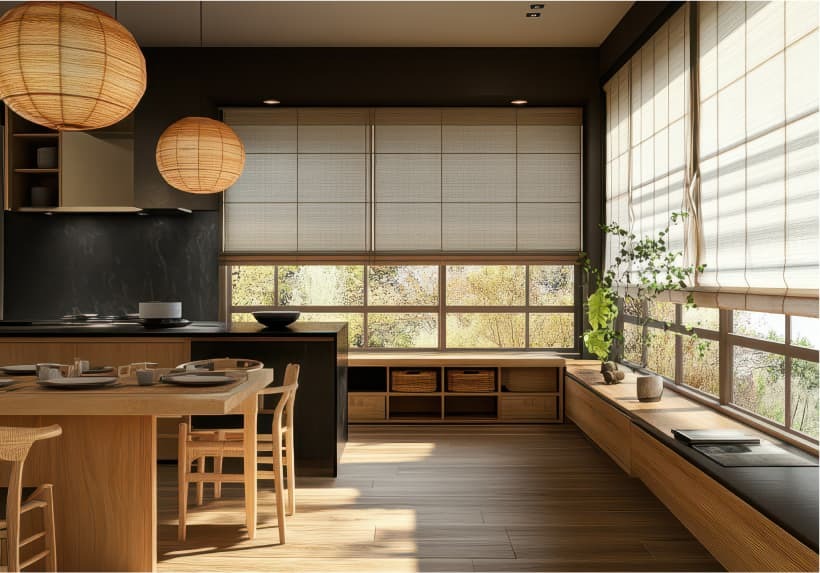
Japanese Minimalism inspires the creation of a tranquil, harmonious space that fosters mindful and intentional living. It embraces simplicity, natural materials, and a strong connection to nature, providing a peaceful retreat from the busyness of everyday life. This design philosophy prioritises the beauty of less, where each element serves a purpose and contributes to the overall sense of balance and calm.
Rooted in traditional Japanese principles such as wabi-sabi—the appreciation of imperfection—and ma, the art of negative space, Japanese Minimalism encourages the use of clean lines, uncluttered arrangements, and organic textures. By blending functionality with aesthetics, it transforms living spaces into sanctuaries of serenity.
One of its pillars is kanso 簡素, the Japanese principle of simplicity. This emphasises focusing only on what is essential and functional, promoting a clear and calm mind.
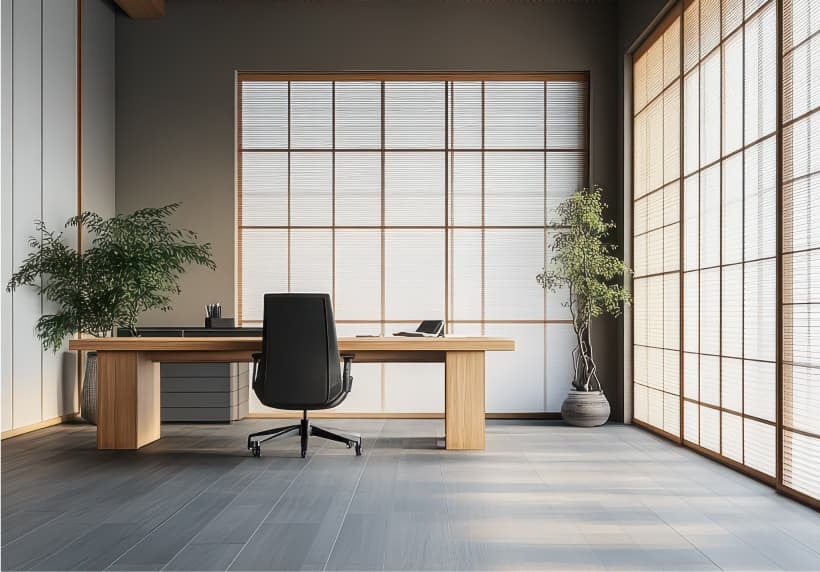
Decluttering aligns perfectly with this philosophy. It’s more than just tidying up; it’s about creating a space that embodies simplicity, functionality, and beauty. Removing excess and focusing on essentials can transform your home into a sanctuary of peace and tranquillity.
The 30-day Declutter Challenge: How it Works
Choose one task to do each day
Choose one task to do each day for the next 30 days. Give yourself a 20-minute time limit (or 15 if that’s all you’ve got!) for each to help you maintain focus and avoid overwhelm. The most important thing is to dedicate time to the task rather than worrying about how much time it takes.
Start at any time
Start this challenge when you can, and keep going to build momentum. It also helps if you set a consistent time of the day that works best for you.
Prepare a donation bin
Before taking on the challenge, prepare a donation bin for all the items you want to donate as you sort through your things.
Join our 30-day Decluttering Challenge

Day 1: Entryway
Clear out shoes, clothing, and bags. Keep only what you use regularly.
Day 2: Junk Drawer
Sort through and organise. Discard or relocate items that don’t belong.
Day 3: Kitchen Counters
Sort through and organise. Discard or relocate items that don’t belong.
Day 4: Pantry
Clear out shoes, clothing, and bags. Keep only what you use regularly.
Day 5: Refrigerator
Clean out old food and wipe down shelves.
Day 6: Freezer
Discard expired items and organise the rest.
Day 7: Under the Sink
Organise cleaning supplies and dispose of empty containers.
Day 8: Spice Rack
Discard expired items and organise the remaining spices.
Day 9: Living Room
Tidy up surfaces and remove items that don’t belong.
Day 10: Bookshelves
Donate books you no longer read and organise the rest.
Day 11: TV Stand
Organise electronics and accessories.
Day 12: Bathroom
Dispose of expired products and empty containers.
Day 13: Medicine Cabinet
Safely dispose of expired medications.
Day 14: Linen Closet
Fold and organise linens and donate extras.
Day 15: Bedroom Closet
Sort clothes and donate what you don’t wear.
Day 16: Dresser Drawers
Organise clothes and accessories.
Day 17: Nightstand
Clear off and organise items.
Day 18: Home Office Desk
Tidy up and organise paperwork.
Day 19: Office Supplies
Sort through and organise supplies.
Day 20: Hobby Area
Sort and donate what you don’t use.
Day 21: Kids’ Toys
Sort through and donate unused toys.
Day 22: Garage
Tackle one section and organise tools and equipment.
Day 23: Car
Clean out your vehicle.
Day 24: Laundry Room
Organise supplies and clean surfaces.
Day 25: Pet Supplies
Sort through pet items.
Day 26: Outdoor Space
Tidy up and organise outdoor items.
Day 27: Digital Declutter
Organise files and delete unnecessary emails and files.
Day 28: Photos
Sort through and organise digital and printed photos.
Day 29: Sentimental Items
Go through keepsakes and decide what to keep.
Day 30: Review and Reflect
Review your progress and make any final adjustments.