

Cork Flooring for Comfort & Sustainability
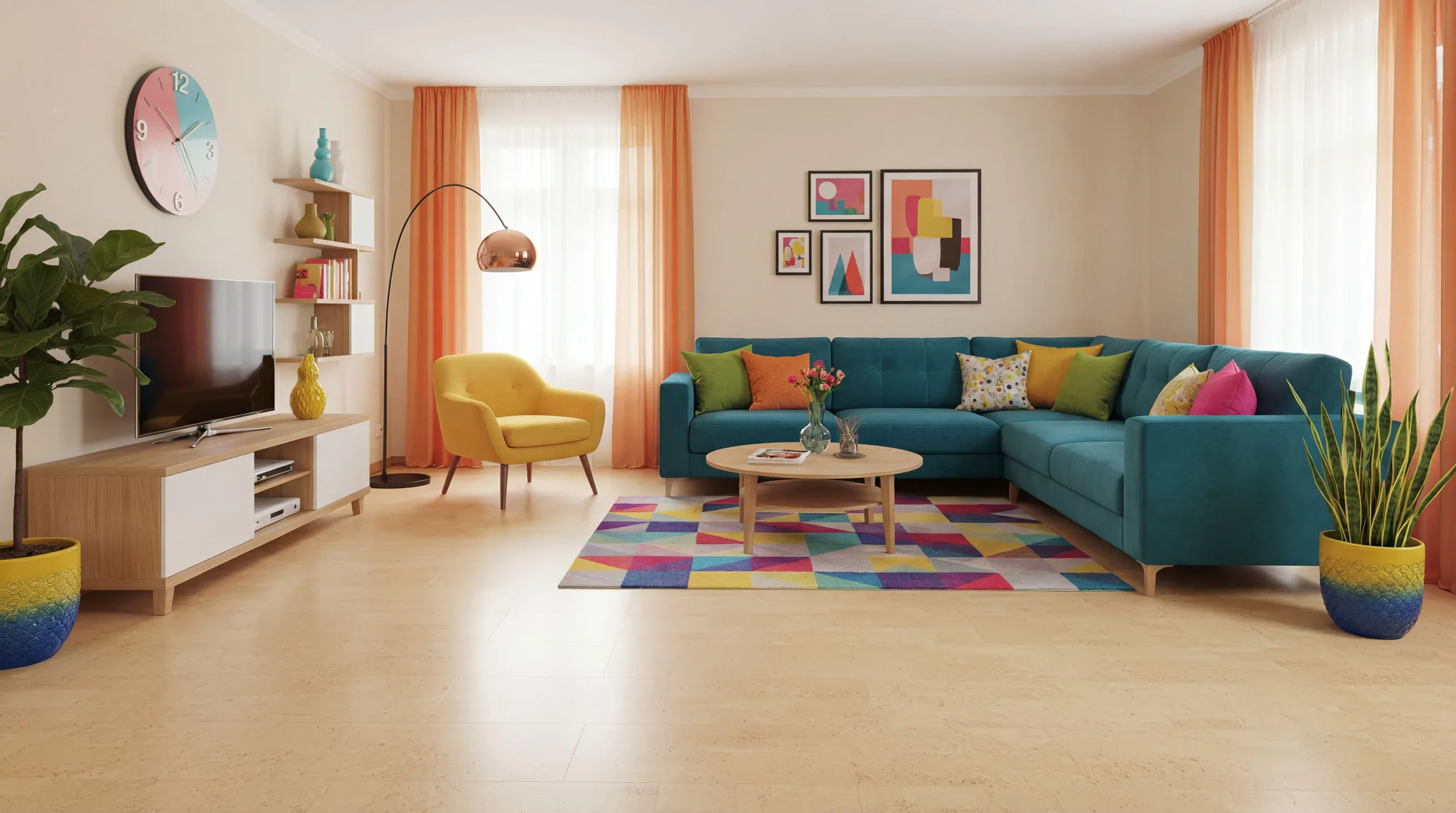
Want this look?
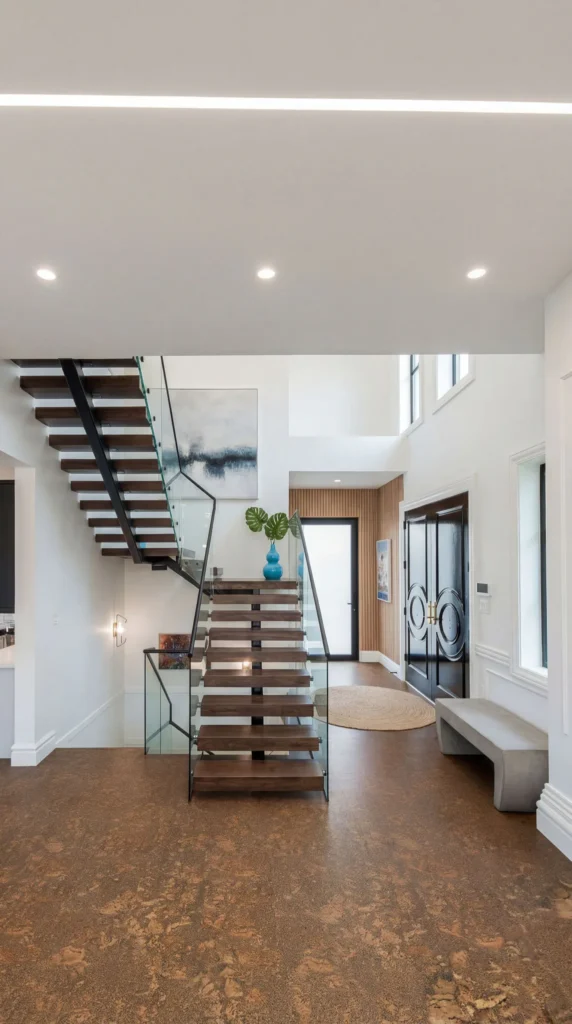
Resilient
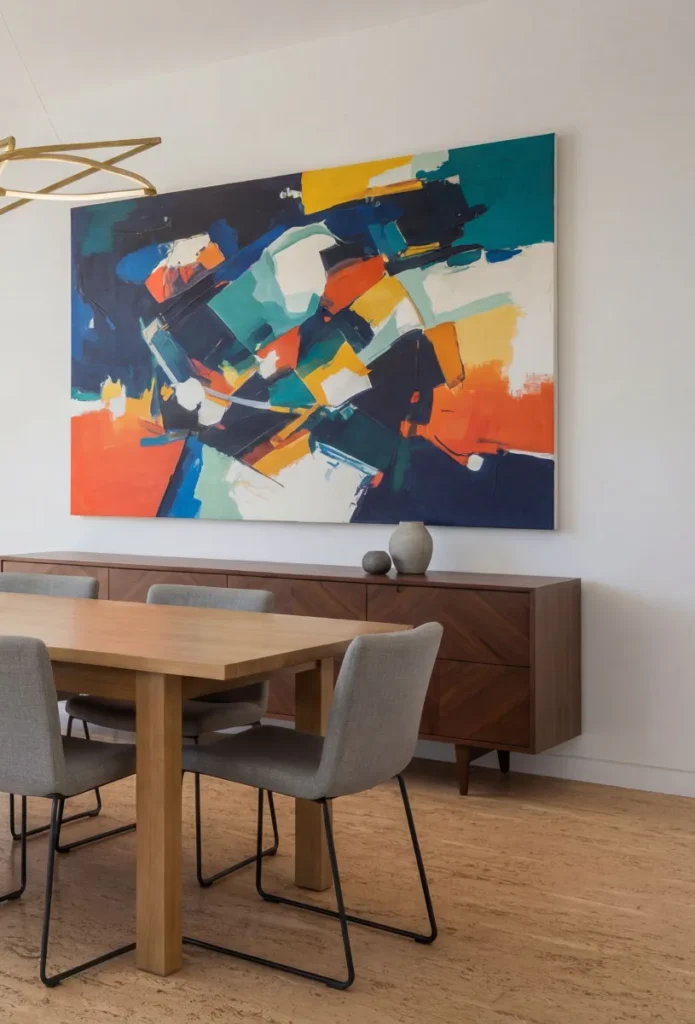
Comfortable
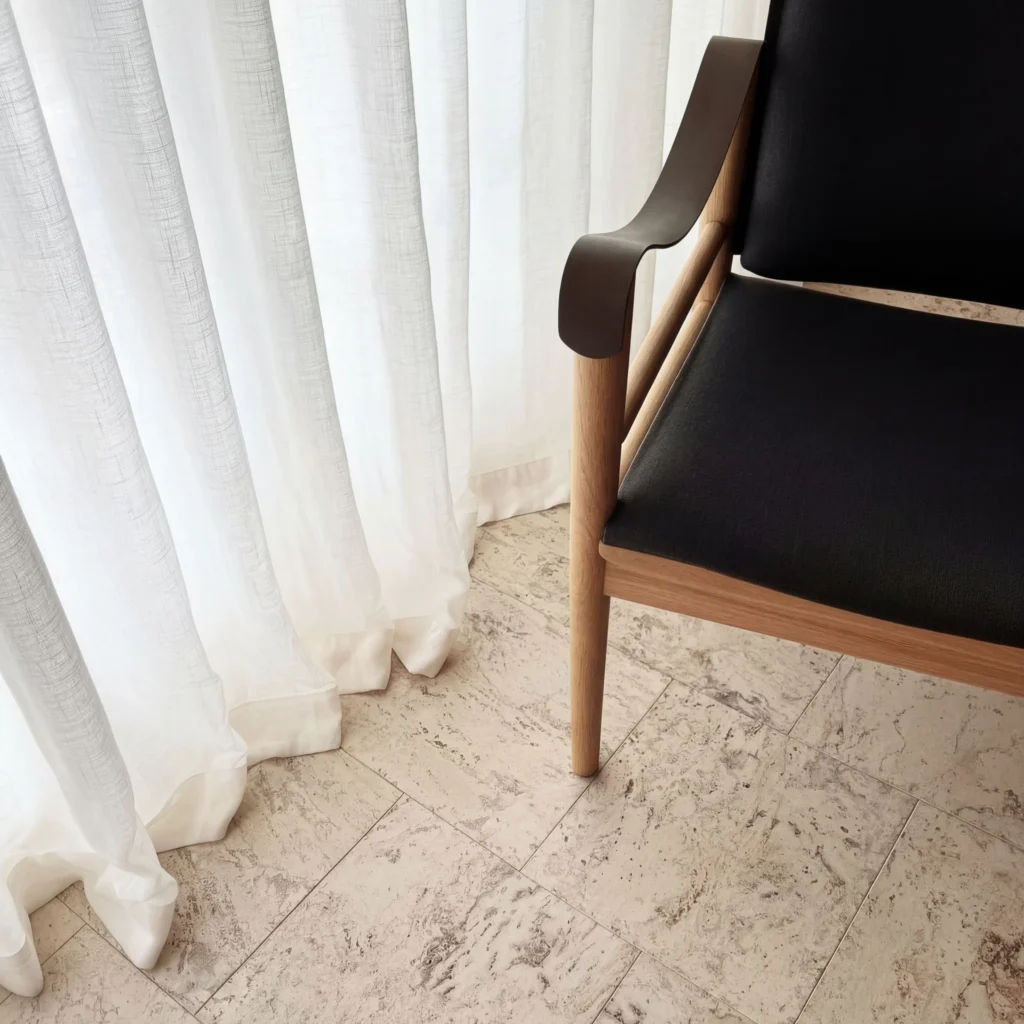
Natural
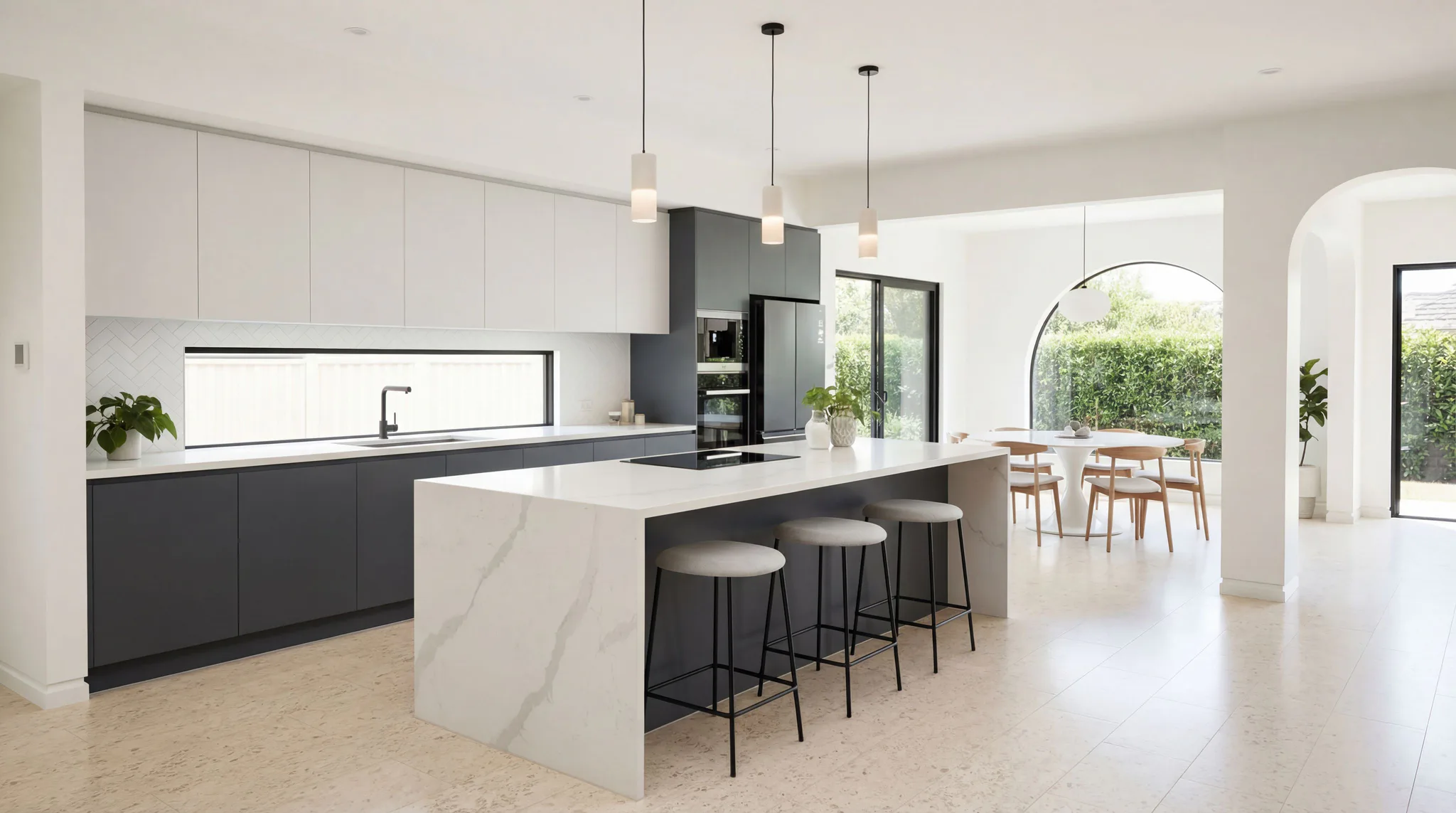
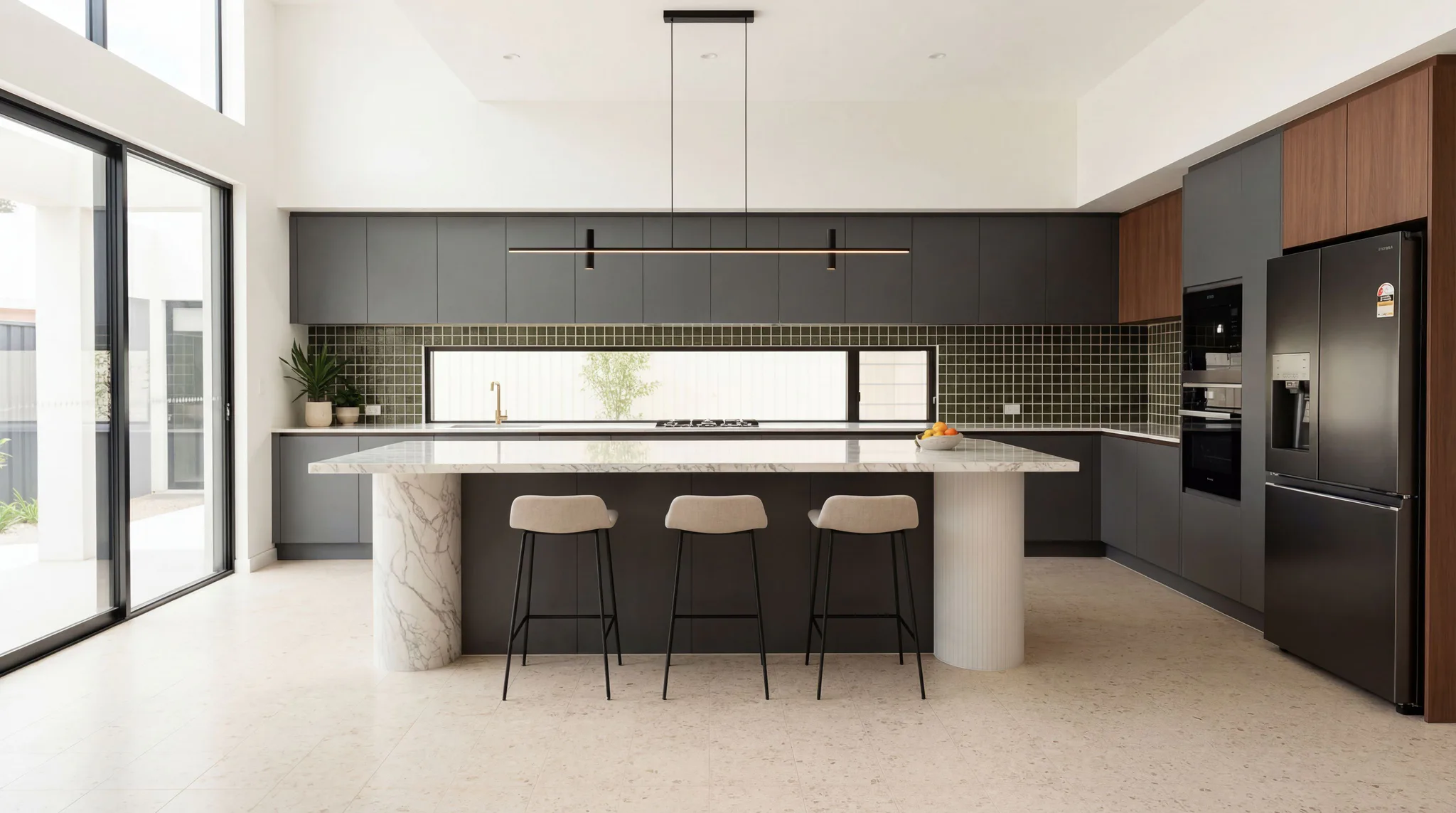

Find a store
Port Adelaide Carpet One – Adelaide North


Selective Carpet One – Adelaide South
Glendowie Carpet One
Carpet One Stafford
Carpet One & Curtains Logan City
Carpet One Redcliffe Quality Floor & Home
Barritts Carpet One Bundaberg
Simons Carpet One Burnie
Carpet One Canberra
Central Coast Carpet One
Simons Carpet One Devonport
Carpet One Fairy Meadow
Carpet One Forster
Delta Carpet One
Carpet One Bundall
Carpet One Goulburn
Goulburn Valley Carpet One Floor & Home
Hoopers Carpet One Ipswich
Carpet One Lithgow
Momentum Carpet One Preston
Sharps Flooring Carpet One Cranbourne
Sharps Flooring Carpet One Mornington
Carpet One Mildura
Newcastle Carpet One
Hills Blinds & Floor Coverings Carpet One
Watts Bros Carpet One Rockhampton
Kaando Carpet One St Helens
Carpeteria Carpet One Bondi Junction
Carpet One Crows Nest
Carpet One Tamworth
Carpet One Home and Commercial Toowoomba
Townsville Carpet One Floor & Home
Coast to Country Carpet One Wonthaggi
Most Popular Cork Products
Experience the full collection
Cork flooring is a natural option that feels warm and cushioned underfoot. It’s made from the bark of the cork oak tree, which gives it a soft, organic look and some handy everyday benefits like insulation and noise reduction.
One of the big reasons people choose cork is how it’s sourced. Cork oak trees can be harvested every nine to twelve years without being cut down, and the bark regenerates over time. When it’s responsibly sourced and manufactured, cork is a more renewable flooring choice.
Because cork is full of tiny air pockets, it has a little “give” when you walk on it. That can make it feel more comfortable than many harder floors, especially in living areas and spaces where you’re on your feet a lot.
Your Total Price, Sorted
Why Homeowners Love Cork Flooring
Cork helps rooms feel more comfortable year-round. It naturally insulates, which can help a space feel warmer in cooler months and less harsh underfoot in summer. It can also soften sound, which is useful in busy homes where footsteps and everyday noise travel.
Some homeowners also like cork for its natural resistance to mould, mildew and bacteria, which may be a plus if allergies or respiratory concerns are part of the picture.
Choosing Cork Flooring
Cork is a great pick when you want a floor that feels kinder underfoot and helps a room feel a little cosier and quieter. It suits bedrooms, living areas and play spaces where comfort matters just as much as looks.
The big thing to weigh up is softness. Cork is naturally resilient, but it can mark more easily than harder flooring. If the room will cop heavy furniture, kids dragging chairs, or regular high-heel traffic, plan for protection like felt pads, mats in high-use spots, and being mindful about moving items.
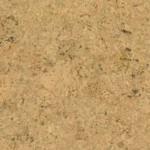
Think about the look you’re chasing too. Most cork floors keep that natural, speckled character, with tones ranging from light honey through to deeper, earthy shades. Samples can look different once they’re in your home, so it helps to consider the room’s natural light and the colours you already have in the space.
It’s also worth being clear on where cork doesn’t belong. Wet areas like bathrooms, laundries and rooms with floor drains are out. Kitchens can work in the right home, but only if spills are cleaned up quickly and the space isn’t constantly damp or humid.
Finally, compare ranges like you would with any floor. Construction, thickness and surface finish can change how it wears and how easy it is to maintain. If you’re unsure what will suit your household, Carpet One can help you narrow it down to options that fit your space and day-to-day life.
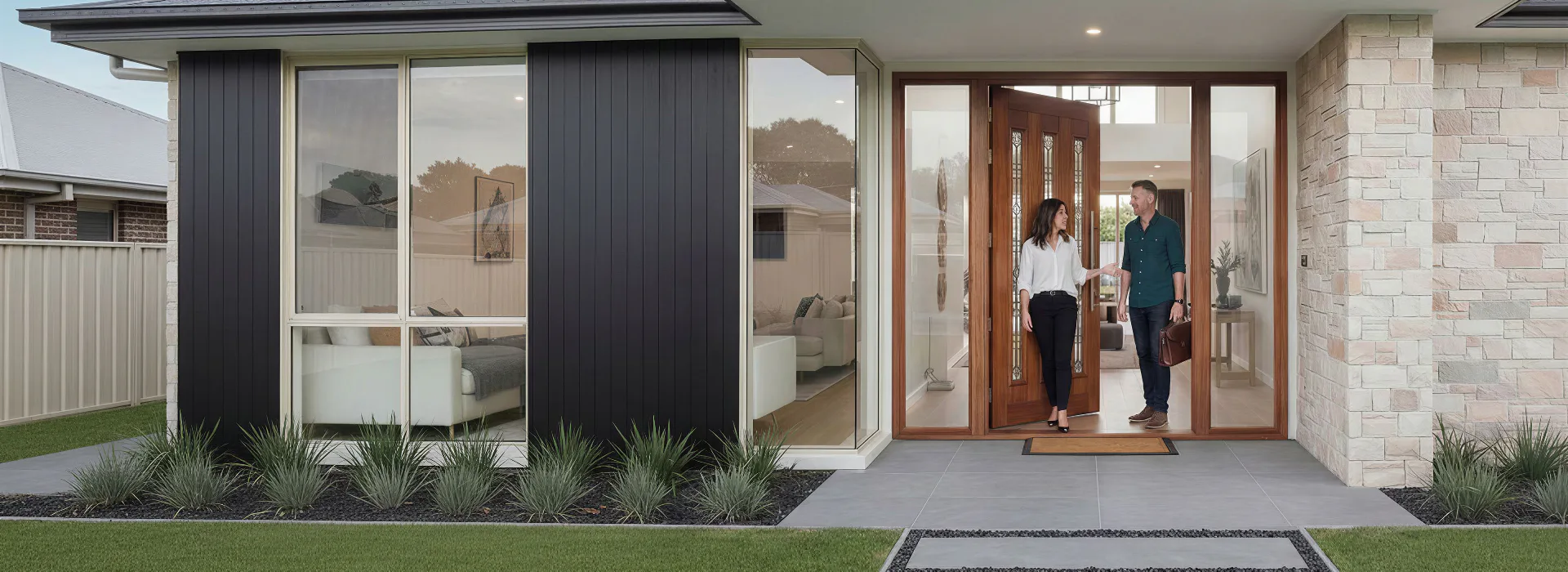
Cork flooring prices vary depending on construction, thickness, finish and brand. Installation costs also depend on room size, subfloor preparation and the complexity of the job. Looking at product and installation together makes it easier to choose a floor that suits both your space and your budget.
Care and Maintenance
Cork flooring is straightforward to look after, but it does best with a few consistent habits. Sweep or vacuum regularly to remove dust and grit, then use a lightly damp mop as needed with a cleaner approved for cork flooring. Avoid excessive water, steam cleaners and harsh chemicals, as these can damage the surface.
A few simple habits help protect the finish:
Keep indoor humidity at around 40-60%
Use felt pads under furniture legs
Avoid sharp heels or cleated footwear
Lift furniture rather than dragging it
Use curtains or blinds to reduce prolonged direct sunlight
Over time, some cork floors may benefit from resealing to refresh the protective surface and extend their lifespan. Always follow the manufacturer’s care and maintenance guidelines.
Installing Cork Flooring
Most modern cork floors are sold in click-lock planks or tiles, which usually means a floating installation. It can be a quicker, cleaner way to lay the floor, but the result still comes down to what’s underneath.
Before anything goes down, any soft floor coverings need to come up, and the subfloor needs to be clean, dry and level. If you’re installing over concrete, many setups also call for a moisture barrier to help protect the floor long-term.
From there, it’s about planning a layout that looks balanced, then clicking boards together as you work your way across the room. You’ll also need to leave an expansion gap around the edges so the floor can move naturally, then finish with trims or skirting that are fixed to the wall, not the floor.
Always follow the manufacturer’s instructions and warranty, as suitability, installation and care can vary by range.
If you’re thinking of DIY, prep is the make-or-break step. Small issues with levelling, moisture, or edge detailing can show up later, so it’s worth getting advice before you start.
Cork Flooring FAQs
Cork flooring can be used in kitchens if spills are cleaned promptly and humidity is well managed. It’s not recommended for bathrooms or laundries.
With proper care and maintenance, cork flooring can last 20 to 30 years. Periodic resealing may help extend its lifespan.
Cork flooring can recover from minor pressure, but heavy furniture or sharp heels may cause permanent indentations. Protective pads can help reduce damage.
Cork is considered a renewable flooring option because the bark is harvested without cutting down the tree, and it regenerates over time.
Cork flooring may lighten or darken with prolonged direct sunlight. Curtains, blinds or UV protection can help minimise colour change.
Many cork flooring products can be lightly sanded and resealed, depending on the thickness and surface construction. Check the manufacturer’s specifications for your chosen range.
It’s best to avoid steam cleaners on cork flooring, as heat and moisture can damage the surface. Use a lightly damp mop with an approved cleaner instead.