

Carpet Flooring to Suit Every Style and Space
Want this look?
Wool Carpet
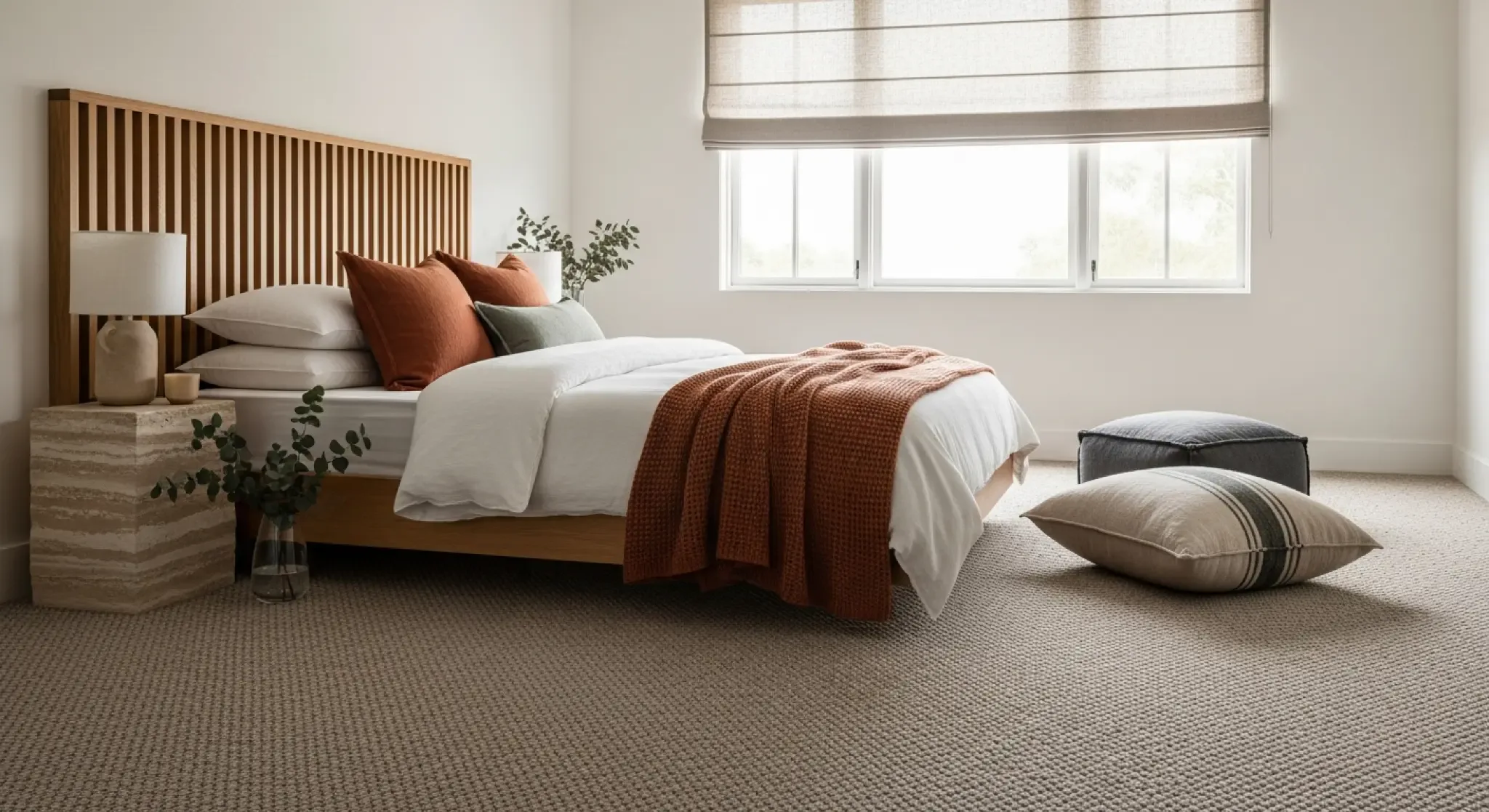
Desire Collection
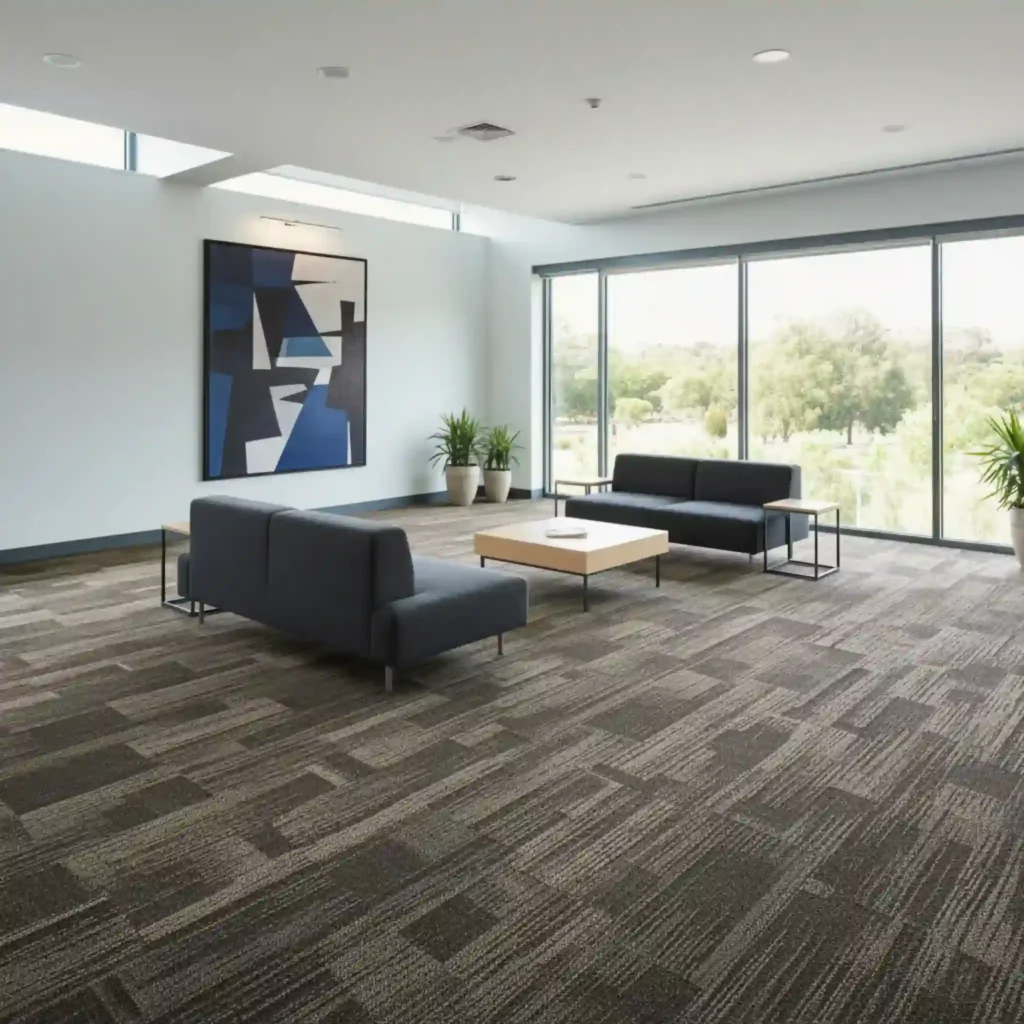
Carpet Tile
Carpet Cleaning
Triexta Carpet
Rugs
Commercial Carpet











Find a store
Odyssey Carpet One – Adelaide City/Central


Port Adelaide Carpet One – Adelaide North
Selective Carpet One – Adelaide South
Glendowie Carpet One
Carpet One Bendigo
Carpet One Floor & Home Carina
Carpet One Stafford
Carpet One & Curtains Logan City
Carpet One Redcliffe Quality Floor & Home
Barritts Carpet One Bundaberg
Simons Carpet One Burnie
Carpet One Canberra
Central Coast Carpet One
Carpet One Darwin
Simons Carpet One Devonport
Carpet One Dubbo
Carpet One Emerald
Carpet One Fairy Meadow
Carpet One Forster
Delta Carpet One
Gladstone Carpet One
Carpet One Bundall
Carpet One Helensvale
Carpet One Goulburn
Goulburn Valley Carpet One Floor & Home
Tassie Floorcoverings Carpet One Hobart
Carpet Junction Carpet One Margate
Hoopers Carpet One Ipswich
Simons Carpets Launceston – Carpet One
Carpet One Lithgow
Carpet One Mackay
Momentum Carpet One Preston
Sharps Flooring Carpet One Cranbourne
Sharps Flooring Carpet One Mornington
Carpet One Mildura
Carpet One Mudgee
Newcastle Carpet One
Hills Blinds & Floor Coverings Carpet One
Port Macquarie Carpet One Floor & Home
Watts Bros Carpet One Rockhampton
Kaando Carpet One St Helens
Sunshine Coast Carpet One & Tiles Caloundra
Sunshine Coast Carpet One & Tiles Maroochydore
Engadine Floorstore Carpet One
Picton Floorstore Carpet One
Image Carpets and Blinds
Carpeteria Carpet One Bondi Junction
Carpet One Crows Nest
Carpet One Tamworth
Carpet One Thornton
Carpet One Home and Commercial Toowoomba
Townsville Carpet One Floor & Home
Coast to Country Carpet One Wonthaggi
Most Popular Carpet Products
Experience the full collection
At Carpet One, we’ve been helping Australians select the right carpet for their homes and businesses for decades. We understand what works in busy family households, endures in high-traffic areas, and makes a space feel more comfortable.
Our range features a broad selection of carpet designs, pile styles, textures, and colours to suit various needs, tastes, and budgets. Whether you’re after something soft and quiet underfoot, easy to clean, or made from sustainable, allergy-friendly fibres, we’ll help you find the ideal option.
Your Total Price, Sorted
Carpet Flooring Types
If you’re looking to replace carpet and don’t know where to start, it helps to understand the different types of carpet available. The construction, pile style, and fibre type each influence the appearance, feel, and performance of your carpet.
Natural vs. Synthetic Carpets
Before you settle on a carpet, it’s worth understanding what it’s made of. The type of fibre used affects how it feels underfoot, how well it stands up to daily wear, and how much effort it takes to keep it looking good. Some fibres offer softness and sustainability. Others focus on stain resistance and affordability. Knowing the difference helps you choose a carpet that suits your lifestyle, your space, and your budget.
Wool carpets are made from naturally renewable sheep’s wool; they’re soft, resilient, and timeless in style. Wool fibres bounce back after compression, which means they resist crushing and keep their shape even in busy areas like hallways and living rooms. They also help regulate temperature and sound and have natural flame-retardant properties.
If you value sustainability, comfort, and durability, wool is a strong contender. Yes, it’s a premium option, but many see it as a long-term investment in quality and style.
Synthetic carpets, on the other hand, offer a wide range of performance features and price points. These fibres are man-made, and each type offers something different. The most common types include Nylon, Polyester (PET), Polypropylene (Olefin), and Triexta.
Nylon is highly valued for its exceptional durability, elasticity, and stain resistance (especially solution-dyed nylon carpets). It is generally more affordable than wool and offers excellent performance for heavy-traffic residential and commercial use. If you need something that can handle heavy foot traffic without breaking the bank, nylon is a smart pick.
Polyester (PET) is more budget-friendly and works well in low- to medium-traffic spaces like bedrooms. It’s not as resilient as nylon or wool, but it offers decent comfort at a lower cost.
Polypropylene (Olefin) is inherently moisture- and stain-resistant. It is generally the least expensive fibre but offers the lowest resiliency. Because it tends to flatten under foot traffic, it is best suited for loop-pile or Berber styles.
Triexta is a newer synthetic fibre that combines softness with excellent stain resistance and solid durability. It’s positioned as a premium alternative to nylon, ideal for families who want performance without sacrificing comfort.
So, what’s the right choice? If you’re drawn to natural materials, timeless elegance, and long-term value, wool might be your match. If you’re prioritising stain resistance, durability, or sticking to a budget, synthetic fibres offer plenty of practical options.
Tufted vs. Woven Carpets
The most common type of carpet you’ll encounter is tufted. And chances are, that’s exactly what’s under your feet right now. It’s made by punching yarn into a backing material, then locking it in place with a layer of latex adhesive and adding a second backing for extra stability.
Tufted carpets are popular for good reason: they’re versatile, budget-friendly, and suit a wide range of spaces, from cosy bedrooms and busy living rooms to offices and retail areas. They hold up well in places with moderate to heavy foot traffic, which makes them a go-to choice for both homes and commercial settings.
If you’re after something a little more refined, say, for a high-end hotel or an elegant residence, Wilton and Axminster carpets are worth a look. These premium styles are woven rather than tufted, using wool or wool-blend yarns that are tightly integrated into a strong backing. That weaving process not only boosts durability (they can last up to 20 years) but also allows for detailed, intricate patterns that enhance the look and feel of a space.
Pile Styles
When you walk across a carpet, the soft surface you feel underfoot is called the pile. It’s made up of the visible fibres that give the carpet its texture, thickness, and overall feel. Whether it’s plush and velvety or firm and textured, the pile plays a key role in how a carpet looks, performs, and wears over time. Most carpets fall into one of three pile styles: loop, cut, or a combination of both
Loop pile carpets are made from uncut yarn loops, which create a firm, textured surface. They’re great for high-traffic areas like hallways or home offices because they bounce back well and help hide footprints and everyday wear. If you’ve got a busy household or want something low-maintenance, loop pile is a practical choice. Just keep in mind that the loops can snag, so they’re not always ideal for homes with pets.
Cut pile carpets are made by trimming the tops of those loops, leaving soft, upright tufts. This gives the carpet a smoother, more luxurious feel underfoot. It’s the most popular style for bedrooms and living rooms because it’s comfortable, clean-looking, and less likely to catch on claws or toys.
Families often lean toward twist pile, a type of cut pile with tightly twisted fibres that help disguise footprints and vacuum marks, perfect for busy spaces where you still want a tidy look. If you’re after something more formal or velvety, plush pile offers a dense, even finish that feels indulgent but may show marks more easily.
Cut-and-loop pile carpets combine both styles to create subtle patterns and texture. They’re a great way to add visual interest without going bold, and they work well in spaces where you want a bit of personality, like a guest room or a feature area in an open-plan home.
So how do you choose the right pile style? It really comes down to how you use the space. If you need something that hides wear and handles daily traffic, loop pile is a practical pick. For comfort and a tidy, relaxed look, cut pile works beautifully in living rooms and bedrooms. And if you’re after something with a subtle pattern and personality, cut-and-loop styles offer a creative edge.
Patterned Carpet vs. Solid Colour Carpet
If you want your flooring to do more than just sit quietly in the background, a patterned carpet is a great way to express your style. A well-chosen patterned carpet can add movement, texture, and visual interest. They’re a great way to introduce personality and help disguise everyday wear in busy areas.
Solid carpets, on the other hand, offer a clean, cohesive look that lets furniture and décor take centre stage. In minimalist interiors or rooms that call for a sense of flow and simplicity, solid carpets help everything feel connected. Think soft neutrals in a bedroom for a restful vibe, or a rich tone in a lounge to anchor the space without drawing too much attention.
That said, solid-coloured carpets don’t always need to be subtle. A vibrant carpet, such as deep navy, forest green, or terracotta, can be just as impactful as a pattern. In the right setting, a bold, solid colour can anchor the room and set the mood. It’s all about how you want the flooring to contribute to the overall feel.
Broadloom vs. Carpet Tiles
If you’re after comfort and a cohesive finish, broadloom carpet is an excellent option. This carpet comes in large rolls, typically 3.66 or 4 metres wide, and is installed wall-to-wall. It offers a soft, cushioned feel underfoot, excellent sound absorption, and a smooth, continuous look. That’s why it’s a popular choice for bedrooms, living rooms, and other areas where comfort and quiet matter most.
Carpet tiles, by contrast, come in individual squares that can be laid in any configuration. They’re ideal for spaces where flexibility, creativity, or easy maintenance is key. Tiles allow for playful patterns and quick replacements, making them especially useful in offices, playrooms, or multi-use zones where spills and wear are part of everyday life.
Residential vs. Commercial Carpets
Residential carpets focus on comfort, style, and warmth. They’re crafted to enhance everyday living, offering soft textures, inviting colours, and a wide range of designs that suit bedrooms, lounges, and family areas beautifully.
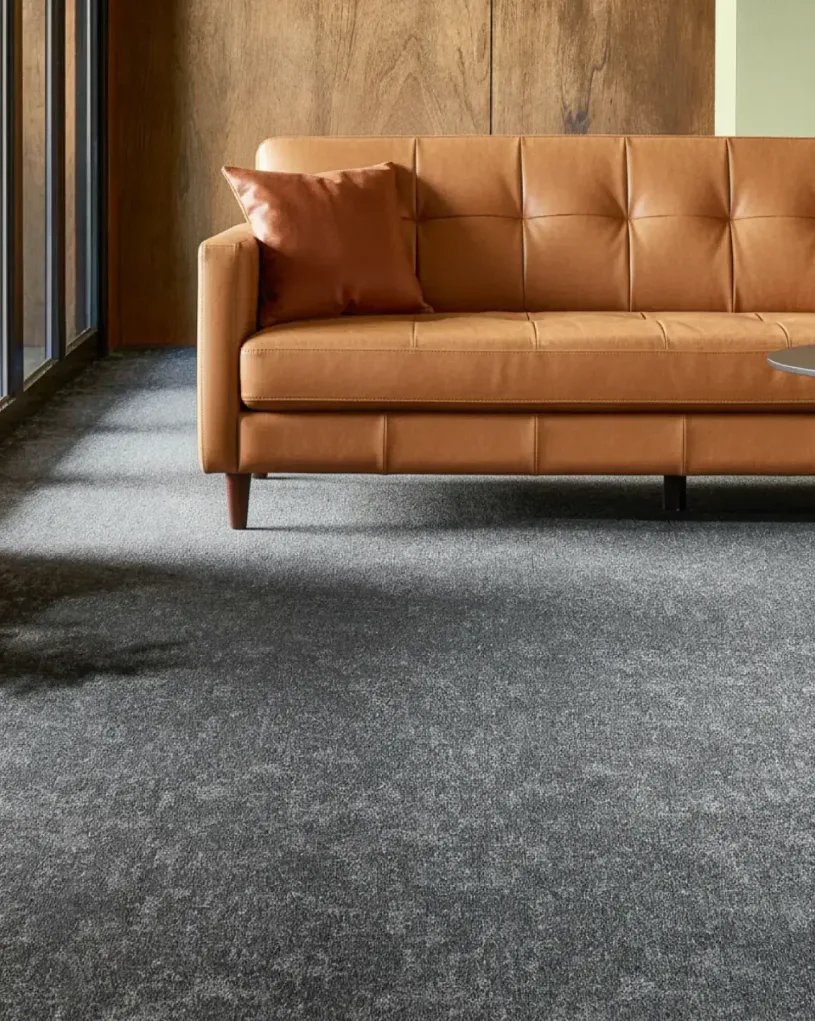
Commercial carpets are built for performance in high-traffic settings. They prioritise durability, stain resistance, and ease of maintenance, making them ideal for offices, retail spaces, and public areas. Many commercial styles feature low-profile construction and subtle patterns that help maintain a polished look over time.
Carpet FAQs
Wool blend carpets combine natural wool with synthetic fibres like nylon or polyester. A common ratio is 80% wool to 20% synthetic, though some blends may vary. The wool provides softness, insulation, and natural benefits, while synthetic fibres help lower costs. Blends are a great option for high-traffic areas or households looking for a balance between comfort and practicality.
To keep your wool carpet in good condition, vacuum it regularly, ideally once or twice a week. In case of spills, promptly blot the area with paper towels or tissue. If necessary, use a recommended cleaner to treat the stain, and then rinse the area with a damp cloth or sponge. Finally, dry the spot with a clean, dry cloth. A professional cleaning every 12-18 months can help keep your carpet looking its best. Refer to the manufacturer’s care and maintenance guidelines for more details.
Wool carpet tends to sit at the higher end of the price range, but it’s a long-term investment. Costs vary depending on the style, weight, and whether it’s pure wool or a blend. While it may cost more upfront than synthetic options, many homeowners find the comfort, longevity, and natural benefits well worth it.
Many wool carpets are treated to help keep moths and other pests at bay. Don’t hesitate to ask your local Carpet One store about these carpets. They’re more than happy to help you find the perfect match for your needs!
Wool carpets are generally safe and friendly for your home, as they don’t release harmful chemicals or strong smells. Plus, they have low levels of volatile organic compounds (VOCs), helping to keep the indoor air fresh and healthy.
To replace a damaged tile, begin by lifting it with a scraper or putty knife. If the tile was installed with pressure-sensitive adhesive, you can simply press the new tile into place without reapplying adhesive. However, if adhesive tabs were used, be sure to replace them before pressing the new tile down. For peel-and-stick carpet tiles, make sure to remove any residue from the subfloor before installing the new tiles.
Place the tile face down and score the backing with a sharp utility knife along a metal ruler. Make several firm passes until the tile cuts cleanly. For curves or notches, use heavy-duty scissors or create a cardboard template to guide your cuts.
Start by marking the centre of the room and working outward. This helps balance the layout and avoid narrow edge pieces. For corners or tricky areas, measure carefully and cut tiles to size using a utility knife and straightedge.
Commercial carpet tiles are built for durability. They’re typically low-pile, stain-resistant, and designed to handle heavy foot traffic and frequent cleaning. Most require glue-down installation for long-term stability. They’re ideal for offices, schools, and shared spaces and also work well in home offices and rentals.
Yes, carpet tiles can be installed over many existing hard floors, including concrete, timber, vinyl, and ceramic tiles, provided the surface is clean, dry, and level. Loose or soft surfaces, such as old carpet or cushion-backed vinyl, should be removed first. If the existing floor has bumps or cracks, patch and smooth it before installation.
With proper care, carpet tiles can last 10–15 years or more, depending on their quality and the amount of foot traffic they receive. Commercial-grade tiles are exceptionally durable and built to handle heavy use.
Most businesses benefit from professional deep cleaning every six months, though high‑traffic areas such as lobbies, corridors, and retail floors may need quarterly cleaning.
With proper installation and maintenance, commercial carpet typically lasts 5 to 15 years, depending on the material, construction, and foot traffic.
Most commercial broadloom carpets are suitable for stairs. Look for certification labels that clearly state “Suitable for Stairs” or display a specific “Stair” icon. These carpets have undergone performance tests to ensure they won’t wear excessively or pose safety risks when bent over stair nosings. Your local Carpet One experts can provide guidance.
It varies. Some commercial broadloom carpets might require underlay, while others don’t. Commercial carpet tiles generally don’t need an underlay. Always consult your local Carpet One experts for advice.
The effect of commercial carpet on indoor air quality depends on the materials used in its production. Choose carpets with low VOC emissions that comply with strict indoor air quality standards.
In Australia, the easiest way to check is by looking at the ACCS (Australian Carpet Classification Scheme) label. Carpets are independently tested and rated for durability and appearance retention, with residential products rated up to 6 stars and commercial products rated up to 4. For commercial spaces, look for the gold and black ACCS labels. A higher star rating indicates stronger performance under heavy traffic, so a four‑star contract rating signals that the carpet is designed to handle demanding environments such as hotel corridors, busy offices, or retail spaces.
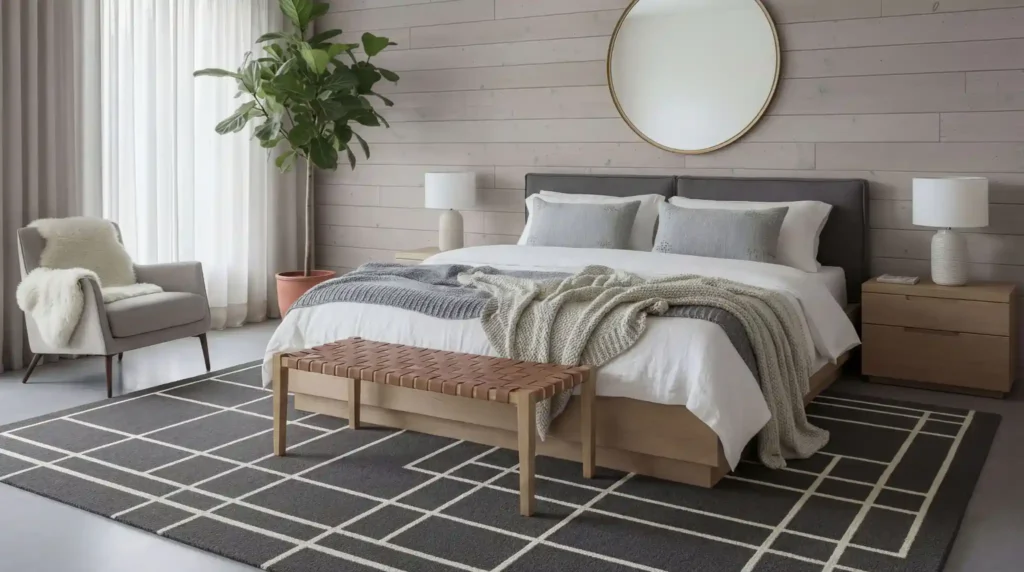
Yes. Layering rugs is a popular design technique that adds depth and texture to a room. A neutral base rug can be paired with a smaller patterned rug on top to create contrast, or different textures can be combined for a more eclectic look.
Vacuum it regularly, and occasionally clean the underside as well. Consider scheduling a professional cleaning now and then. Don’t forget to check with Carpet One for tips tailored to your specific rug type.
The key to removing stains from rugs is to act quickly. Blot spills immediately with a clean cloth. Never rub, as this pushes the stain deeper into the fibres. Use an approved cleaner for tough stains. For stubborn or set-in stains, professional cleaning may be necessary.
Use a non-slip rug pad to keep it from shifting. Make sure to use non-rubberised pads when you have vinyl flooring, as these may leave marks, discolouration, or cause a chemical reaction with the vinyl finish.
It is versatile enough for living rooms, bedrooms, playrooms and hallways. Its soft, durable fibres make it an excellent choice wherever comfort and resilience are needed.
Carpet One recommends professional carpet installation. Professional installation ensures the carpet is fitted correctly, seams are invisible, and warranties remain valid. Our installers are trained to meet the highest standards, giving you peace of mind and a carpet that performs beautifully from day one.
Yes. Carpet acts as a natural insulator, helping to retain warmth in winter and keep rooms cooler in summer. It can also reduce energy costs by improving thermal comfort.
Definitely, carpet absorbs sound, making it ideal for busy households, apartments, or multi-level homes. It softens footsteps and reduces echoes, creating a quieter, more peaceful environment.
With proper care, most quality carpets last 10–15 years. Longevity depends on fibre type, traffic levels, and maintenance routines.
Think about your lifestyle and the mood you want to create. Lighter colours can make rooms feel bigger and brighter, while darker shades hide dirt and add cosiness. Neutral tones are versatile, while bold colours make a statement.
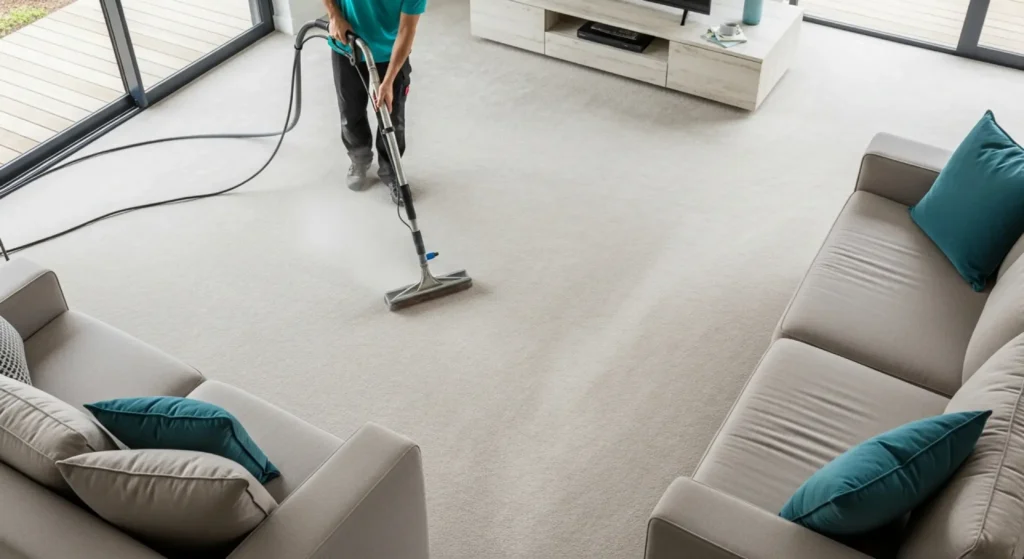
The best way to clean carpets professionally is to hire a carpet cleaner who will come to your home and get the whole job done for you in one day, restoring your carpets to like new. They will work to remove any stains and shampoo your carpets to remove any dust, dander, or dirt.
The type of carpet that is best for absorbing sound is a thick and dense carpet. Generally, the softer a carpet is to the feet, the more sound absorbent is. Thicker carpet prevents sound from bouncing off the floor or travelling through the floor to be heard by those on a lower floor level. The thickness and density of the under padding also determines how sound absorbent your carpet is, and is what contributes most to sound absorbency. If you’re in an apartment building, be sure to purchase rental-friendly carpet.
Most carpets offer a lifespan of 8 to 15 years, depending on the fibre type, foot traffic, and care. Consider replacing carpet after 5 to 10 years in high-traffic areas, such as hallways or stairs. Premium materials like wool and nylon tend to offer longer-lasting performance.
Installation time varies based on the size and complexity of the space. For a standard room, professional carpet installers can complete the job in a few hours. Larger homes or projects involving stairs, furniture moving, or subfloor preparation may take longer. Your carpet installer can provide a more accurate timeline.
Carpet replacement in Australia typically costs between $55 and $75 per square metre, including materials and installation. The final price depends on the type of carpet, the area size, the underlay selection, and any additional prep work required.
Regular vacuuming, prompt spot cleaning, and occasional professional cleaning help keep carpet looking like new. Many styles also come with built-in stain protection for added peace of mind.
Many modern carpets are designed with stain-resistant fibres and easy-clean finishes. Triexta and solution-dyed nylon are especially popular for pet-friendly homes.
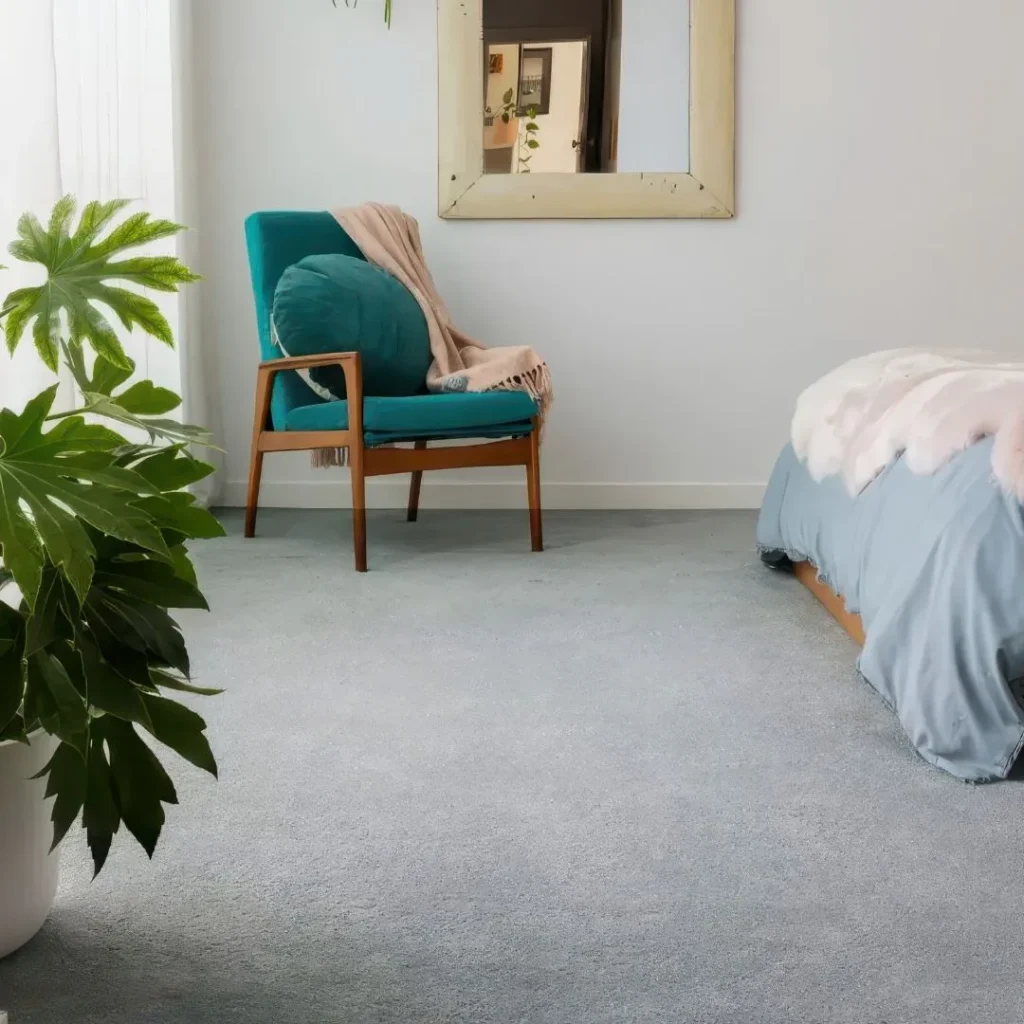
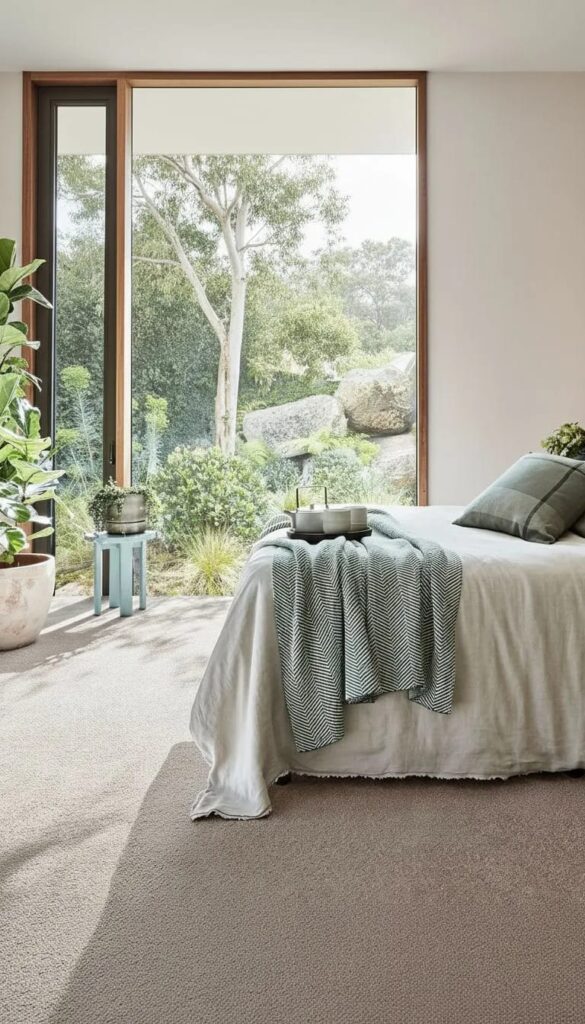
Triexta fibres have a natural negative charge that provides permanent built-in stain protection. Unlike other carpets that rely on chemical treatments, this protection is part of the fibre itself and never washes or wears off.
The fibres are spring-like in structure, meaning they bounce back into shape after vacuuming or foot traffic. This resilience helps the carpet maintain its appearance for many years.
Yes. The built-in stain resistance prevents pet mishaps from penetrating the fibres, making it a safe and practical choice for households with pets.
Our triexta carpets are Declare® Red List Free certified, meaning they do not contain harmful chemicals listed on the Red List, ensuring a healthier indoor environment.