

Wool Carpet Flooring for Natural Comfort and Style
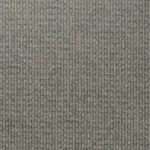
Want this look?
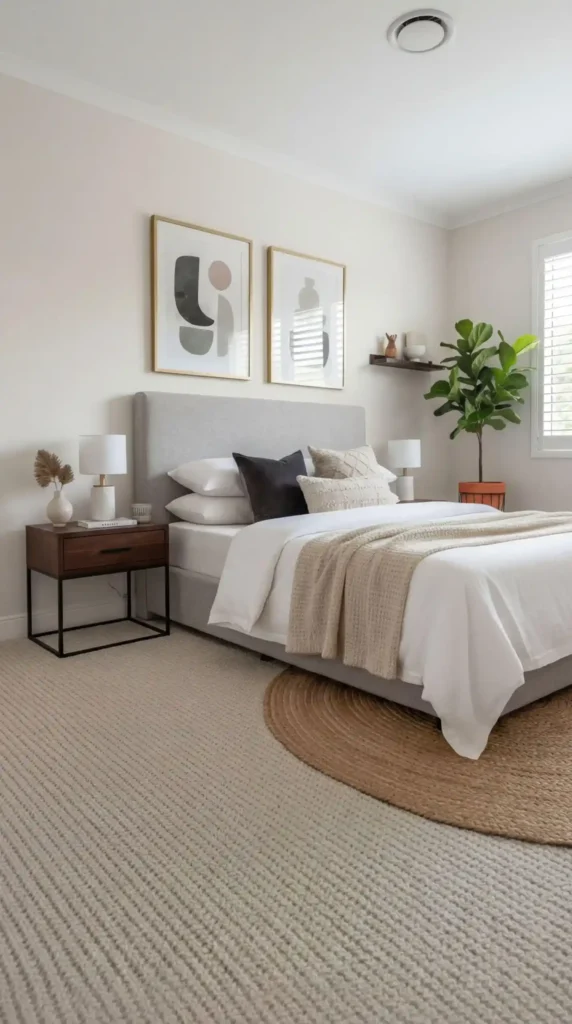
Pure Wool Comfort
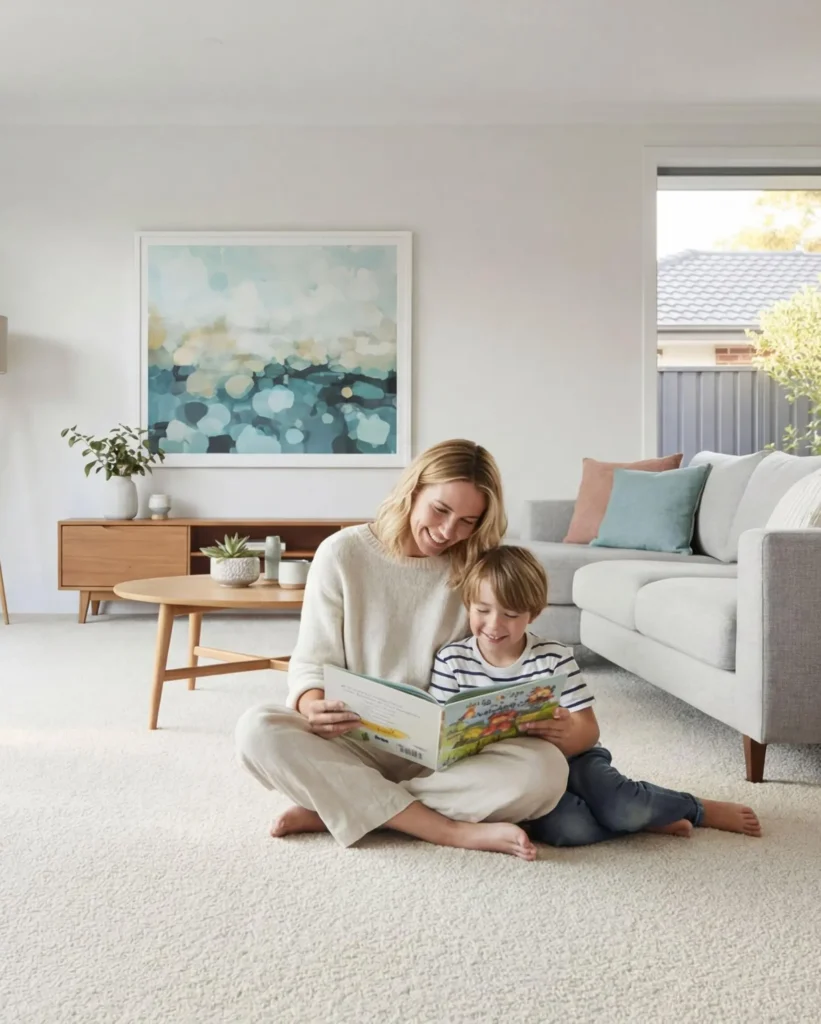
Resilient by Nature
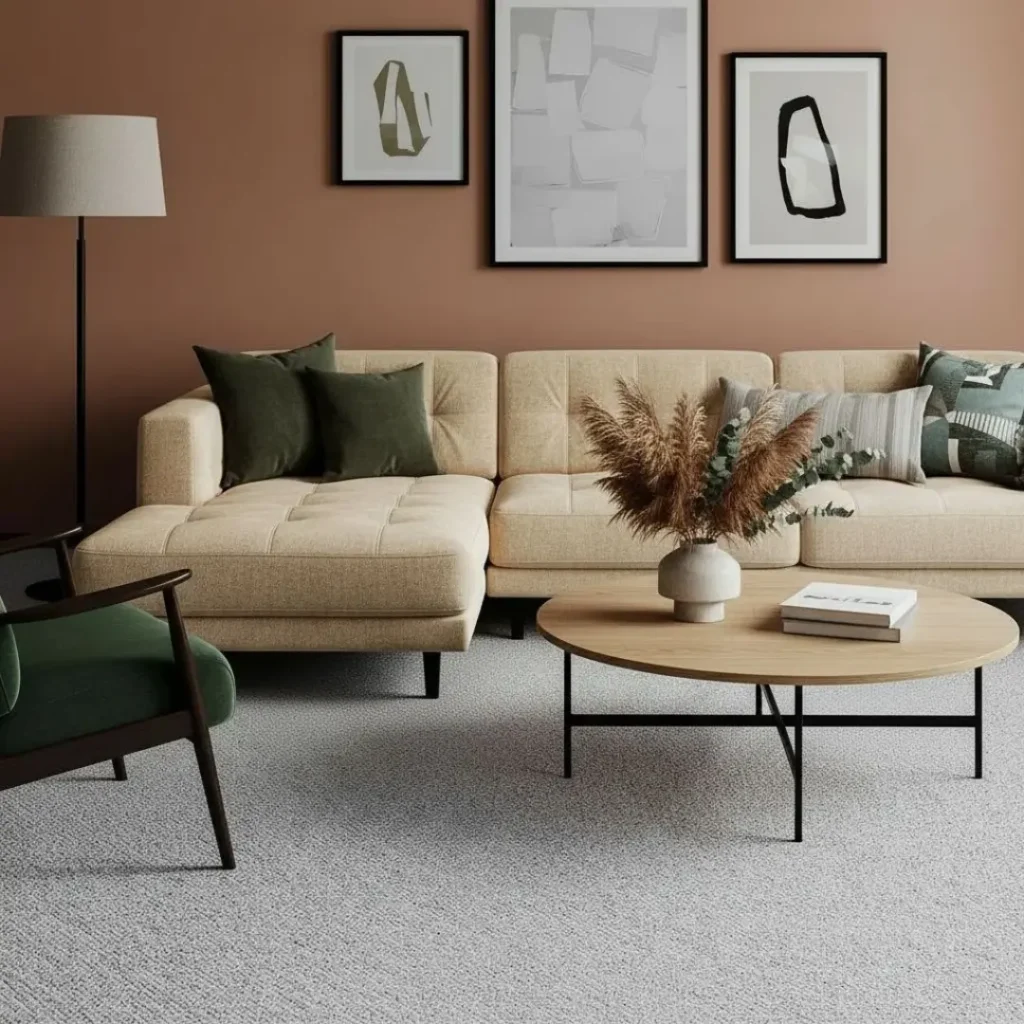
Enduring Classic Style








Find a store
Odyssey Carpet One – Adelaide City/Central


Port Adelaide Carpet One – Adelaide North
Selective Carpet One – Adelaide South
Glendowie Carpet One
Carpet One Bendigo
Carpet One Floor & Home Carina
Carpet One Stafford
Carpet One & Curtains Logan City
Carpet One Redcliffe Quality Floor & Home
Barritts Carpet One Bundaberg
Simons Carpet One Burnie
Carpet One Canberra
Central Coast Carpet One
Carpet One Darwin
Simons Carpet One Devonport
Carpet One Dubbo
Carpet One Emerald
Carpet One Fairy Meadow
Carpet One Forster
Delta Carpet One
Gladstone Carpet One
Carpet One Bundall
Carpet One Helensvale
Carpet One Goulburn
Goulburn Valley Carpet One Floor & Home
Tassie Floorcoverings Carpet One Hobart
Carpet Junction Carpet One Margate
Hoopers Carpet One Ipswich
Simons Carpets Launceston – Carpet One
Carpet One Lithgow
Carpet One Mackay
Momentum Carpet One Preston
Sharps Flooring Carpet One Cranbourne
Sharps Flooring Carpet One Mornington
Carpet One Mildura
Carpet One Mudgee
Newcastle Carpet One
Hills Blinds & Floor Coverings Carpet One
Port Macquarie Carpet One Floor & Home
Watts Bros Carpet One Rockhampton
Kaando Carpet One St Helens
Sunshine Coast Carpet One & Tiles Caloundra
Sunshine Coast Carpet One & Tiles Maroochydore
Engadine Floorstore Carpet One
Picton Floorstore Carpet One
Image Carpets and Blinds
Carpeteria Carpet One Bondi Junction
Carpet One Crows Nest
Carpet One Tamworth
Carpet One Thornton
Carpet One Home and Commercial Toowoomba
Townsville Carpet One Floor & Home
Coast to Country Carpet One Wonthaggi
Most Popular Wool Carpet Products
Experience the full collection
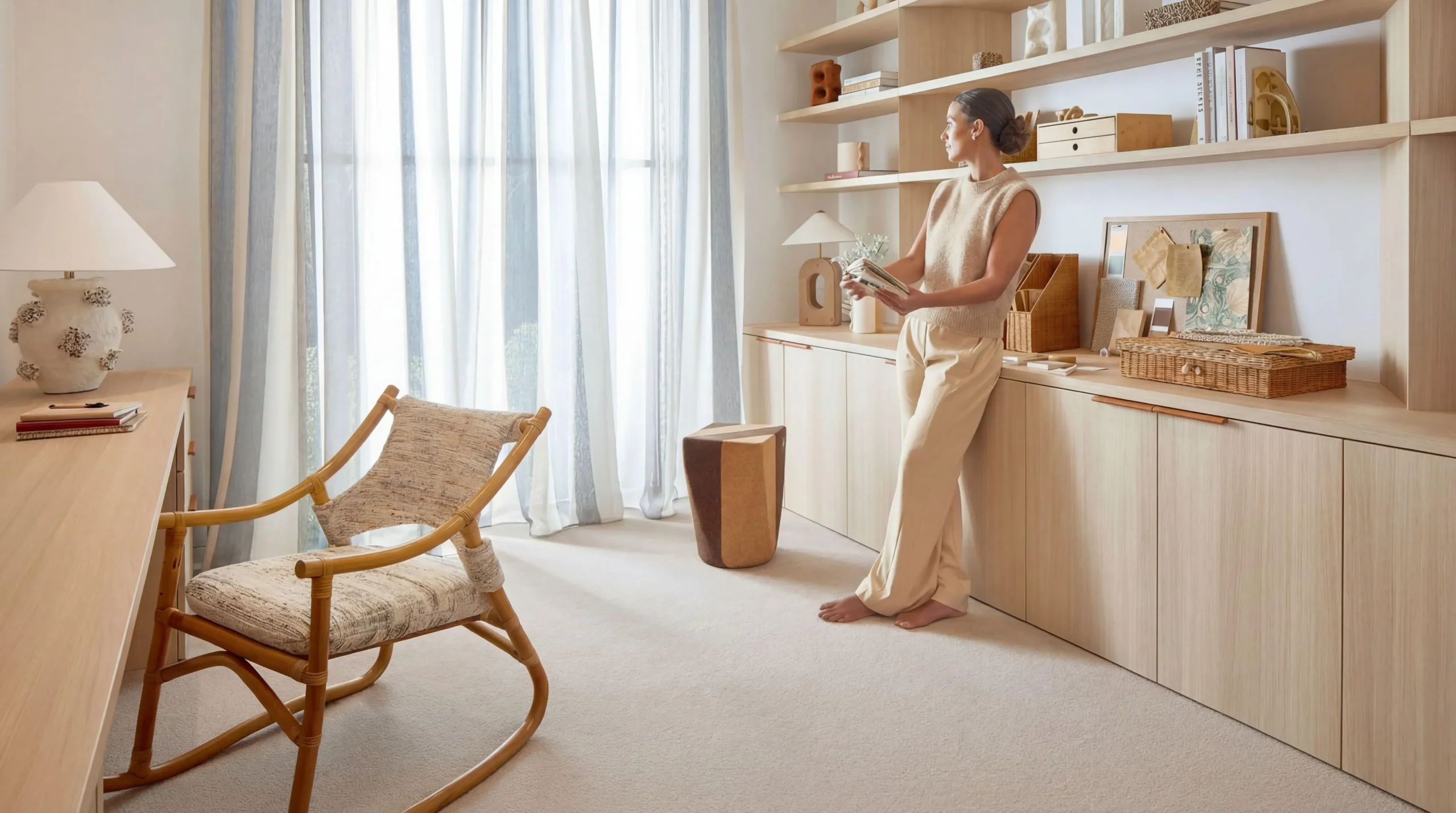
When comfort is your top priority, wool carpet is an excellent choice. The unique structure of the wool fibre makes it soft, springy, and incredibly resilient, providing a luxurious feel underfoot. This natural structure traps air, providing excellent thermal insulation and helping to dampen sound, creating a more comfortable, tranquil environment in your home.
Wool carpet is wonderfully soft, but don’t let that fool you. It’s tough where it counts! The natural springiness of wool fibre helps it bounce back after compression from foot traffic, furniture, or vacuuming. That means fewer worn patches and less flattening in high-traffic areas, holding up beautifully over time. Depending on where it is installed and how it’s cared for, wool carpets can last 15 years or more.
And if you’re trying to make mindful choices at home, you’ll be glad to know that wool carpet is sustainable. It is made with renewable wool fibres and naturally breaks down at the end of its life. Plus, its excellent insulating properties can help you save on energy bills. And since wool carpet is known for its durability, you won’t have to replace it as often, meaning less waste for the planet. It’s a win-win for your home and the environment!
Wool carpet also offers practical benefits for your home, enhancing safety and well-being. It naturally resists stains, making spills and dirt easier to clean. Being flame-resistant, it provides added peace of mind. Furthermore, wool carpet can improve indoor air quality by absorbing air contaminants and creating an environment less favourable for mould and mildew, which can be beneficial for allergy sufferers.
Your Total Price, Sorted
Choosing the Right Wool Carpet
Here are the factors to consider when choosing wool carpet.
Loop pile vs. cut pile
Loop pile carpets feature uncut loops that create a textured, durable surface, making them great for hallways, stairs, and busy family zones. Cut pile carpets feel softer and more plush underfoot, making them ideal for bedrooms and lounge rooms where comfort is key.
Pile height and density
Shorter, denser piles tend to wear better in high-traffic areas and are easier to clean. Longer piles feel more luxurious but may show footprints or flatten over time. If you want softness without the upkeep, look for a medium pile with good bounce-back.
Colour that suits your lifestyle
Neutrals like beige, grey, and taupe are timeless and forgiving, especially in homes with kids or pets. Darker tones can add warmth and hide marks, while lighter shades brighten a space but may need more frequent cleaning.
Patterns and texture
Textured carpets can help disguise wear and add visual interest. Subtle patterns work well in living areas, while solid tones create a calm, cohesive feel in bedrooms or retreats.
Not sure where to start? Carpet One has been helping Australian families choose the right flooring for decades. Our team can guide you toward a wool carpet option that fits your space and lifestyle.
Wool Carpet FAQs
Wool blend carpets combine natural wool with synthetic fibres like nylon or polyester. A common ratio is 80% wool to 20% synthetic, though some blends may vary. The wool provides softness, insulation, and natural benefits, while synthetic fibres help lower costs. Blends are a great option for high-traffic areas or households looking for a balance between comfort and practicality.
To keep your wool carpet in good condition, vacuum it regularly, ideally once or twice a week. In case of spills, promptly blot the area with paper towels or tissue. If necessary, use a recommended cleaner to treat the stain, and then rinse the area with a damp cloth or sponge. Finally, dry the spot with a clean, dry cloth. A professional cleaning every 12-18 months can help keep your carpet looking its best. Refer to the manufacturer’s care and maintenance guidelines for more details.
Wool carpet tends to sit at the higher end of the price range, but it’s a long-term investment. Costs vary depending on the style, weight, and whether it’s pure wool or a blend. While it may cost more upfront than synthetic options, many homeowners find the comfort, longevity, and natural benefits well worth it.
Many wool carpets are treated to help keep moths and other pests at bay. Don’t hesitate to ask your local Carpet One store about these carpets. They’re more than happy to help you find the perfect match for your needs!
Wool carpets are generally safe and friendly for your home, as they don’t release harmful chemicals or strong smells. Plus, they have low levels of volatile organic compounds (VOCs), helping to keep the indoor air fresh and healthy.