



Vinyl plank flooring is a popular choice among homeowners due to its durability and affordability. However, you must be aware of the pros and cons of vinyl plank flooring before deciding to install it in your home. In this blog post, we will explore the advantages and disadvantages of vinyl plank flooring so you can make an informed decision about whether or not it’s right for your space.
Durability
While considerably durable, vinyl plank is not as durable as some other types of flooring, such as hardwood or tile. How long will vinyl plank flooring last? It depends on the quality of the product itself, the quality of the installation, and its maintenance. On average, vinyl plank flooring lasts around 10-20 years.
Wear and Tear
High-quality vinyl plank flooring has exceptional durability and resilience to wear and tear. But like any other flooring option, it is susceptible to wear and tear from foot traffic over time. The surface of the planks may become dull or scratched if they are not properly maintained or protected from heavy objects being dragged across them.
Scratches and Dents
Vinyl planks are generally more resistant to scratches than other types of floors, like laminate or wood, but they still have their limits when it comes to resisting deep scratches caused by pets’ claws or sharp objects dropped on them.
Also, dents can form in areas where heavy furniture has been placed for extended periods of time, causing an uneven surface texture on your vinyl planks, which could be difficult to repair without replacing them entirely.
Water Damage
Vinyl planks are water-resistant. They can withstand water and other spills for a certain period. However, standing water can still seep through and damage the glue and the subfloor, so it is necessary to wipe the spills right away. If you live in a flooding-prone area, you should consider installing a waterproof underlay to prevent potential water damage down the line.
Resistance to Fading
Vinyl planks are designed to resist fading, but be aware that they may fade over time if they are installed in areas exposed to full, strong sunlight.
Maintenance
To keep your vinyl plank floor looking its best, you must understand the necessary cleaning methods, repairs, and replacement options.
Vinyl plank flooring should be vacuumed or swept regularly to remove dirt and debris that can scratch or dull the surface of the planks. Use a damp mop on occasion in order to clean up spills quickly before they have time to set into the material. For tougher stains, you may need a mild detergent solution specifically designed for vinyl floors. Avoid using harsh chemicals as these can damage the finish of your planks over time.
Appearance
Vinyl planks come in a wide variety of incredibly life-like finishes, allowing you the look and feel of luxury at a fraction of the price.
Comfort
Vinyl plank flooring is made of multiple layers, with an outer layer composed of PVC plastic and a core made from foam or similar material. Though not as soft and comfortable as carpet, vinyl planks are softer underfoot and are more comfortable to walk on compared to tile and hardwood flooring.
Noise Level
Noise level is another factor to consider when choosing a flooring material. Luxury vinyl planks have thicker cores that help reduce noise levels, but they are still not quite as quiet as other options like carpet or cork floors.
Cost of Installation and Materials
When purchasing vinyl plank flooring, several factors affect the overall cost, such as size, style, thickness and installation. The larger the area being covered by the planks, the more expensive it will be due to increased material costs and labour hours required for installation.
Additionally, certain styles or patterns may require additional cutting or trimming, which could add extra time and expense to your project. Lastly, thicker planks tend to have higher price tags than thinner ones, but they also offer greater durability over time, so this should also be taken into account when budgeting for your new floors.
Depending on the type and quality, you can expect to pay anywhere from $25-$80 per square metre for material alone. This is a great option for those looking to save money while still getting a high-quality product.
Here at Carpet One, the fully installed price for vinyl planks (product, installation) starts at $60 per square metre. This does not include floor preparation, freight, and furniture removal.
Environmental Impact
Vinyl plank flooring is made from a combination of synthetic materials, including polyvinyl chloride (PVC) and plasticisers. During the manufacturing process, these materials are combined with other chemicals such as stabilisers, lubricants, pigments, fillers and flame retardants to create the finished product. The use of these chemicals can have an environmental impact due to their potential toxicity when released into the environment. Additionally, some of these chemicals may also be hazardous to human health if inhaled or ingested.
When it comes to disposing of old vinyl planks, proper methods must be followed in order to reduce their environmental impact. These planks should not be placed in regular trash bins as they contain hazardous materials that could leach into soil or water sources if not disposed of correctly. Instead, take them to a local recycling centre where they can be recycled or reused for other purposes, such as playground surfaces or artificial turf fields. Additionally, some manufacturers offer take-back programs where consumers can return used vinyl planks for free recycling.
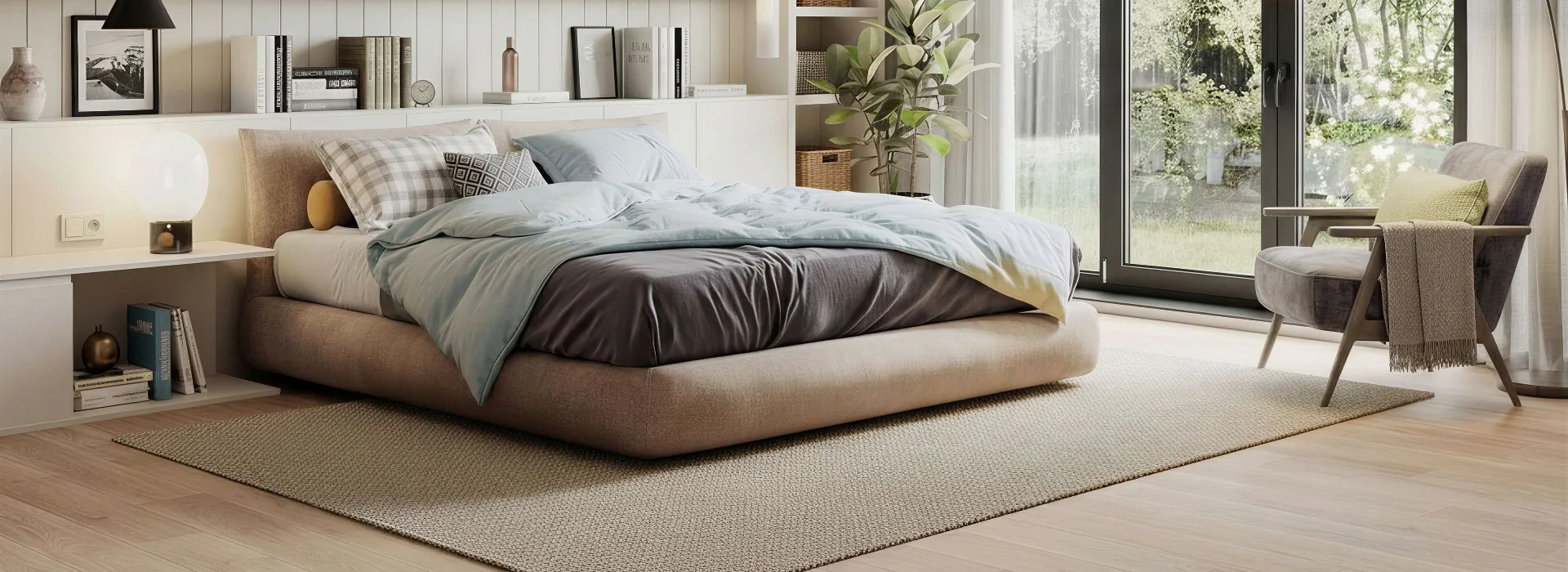
Luxury Vinyl Plank and Tile
The look of timber with low-maintenance, durable performance.
Conclusion
Vinyl plank flooring is a great option for those looking for an affordable and durable flooring solution.
When properly cared for, vinyl planks can last up to 20 years. They come in a wide range of realistic finishes that would suit any style of home, without the hefty price tag. They are comfortable underfoot and offer superior sound insulation.
Vinyl planks are also easy to maintain: all they need is regular vacuuming and light mopping. Most vinyl planks sold nowadays are waterproof, but they are not flood-proof. Standing water can still seep through and damage the subfloor if no waterproofing layer is installed.
However, they can be prone to dents and scratching. Also, they may fade when installed in areas constantly exposed to the sun. Vinyl planks also can’t withstand extreme temperature changes very well.
At Carpet One, we understand that not every flooring option is perfect for everyone. Vinyl plank flooring can be a great choice in some cases, but it does have its drawbacks. Our experienced staff can help you determine if vinyl plank flooring will work for your needs and budget or suggest alternative solutions to meet your home improvement goals. Stop by today to learn more about the advantages and disadvantages of vinyl planks so you can make an informed decision when selecting new floors!
Join our 30-day Decluttering Challenge

FAQs About Vinyl Plank Flooring
Vinyl plank flooring is loved for its affordability, style variety, and easy maintenance. Like any material, it has a few things to consider. You may need it to be professionally installed for the best results. While it’s a strong choice for many households, there are other flooring options like engineered timber and hybrid flooring that may offer greater longevity. Depending on the quality of the product, vinyl planks may be prone to scratching and denting from heavy furniture or from objects being dragged across the surface, but this can be minimised with proper care and protection of your flooring.
Both vinyl and laminate plank flooring are excellent choices, each with its own advantages. Vinyl plank is known for being highly durable and water-resistant, making it a smart option for areas where spills or moisture are more common. It also comes in a wide variety of realistic wood and stone designs, offering style with easy upkeep. Laminate plank flooring, on the other hand, delivers a beautiful, authentic wood look at a very affordable price point. It’s a great option for living rooms, bedrooms, and other spaces where moisture isn’t a concern. With proper installation and care, laminate can last for many years while providing a warm, natural aesthetic.
With proper care, vinyl plank flooring can serve your home beautifully for up to 20 years. Regular cleaning with recommended products, protecting the surface from sharp objects, and using window treatments to minimise prolonged sun exposure will keep it looking like new. Avoiding prolonged standing water ensures the planks stay in great shape.
Vinyl flooring is generally considered a safe and durable option for many homes. However, there are some potential concerns about the presence of volatile organic compounds (VOCs) in vinyl floors, which can affect indoor air quality. At Carpet One, we carefully select products that meet stringent quality and safety standards. Our vinyl flooring options are low-VOC and perform well in everyday living conditions. With our commitment to quality control, you can feel confident that your flooring choice is both stylish and safe for your home.