

Hard Flooring Made for Everyday Living
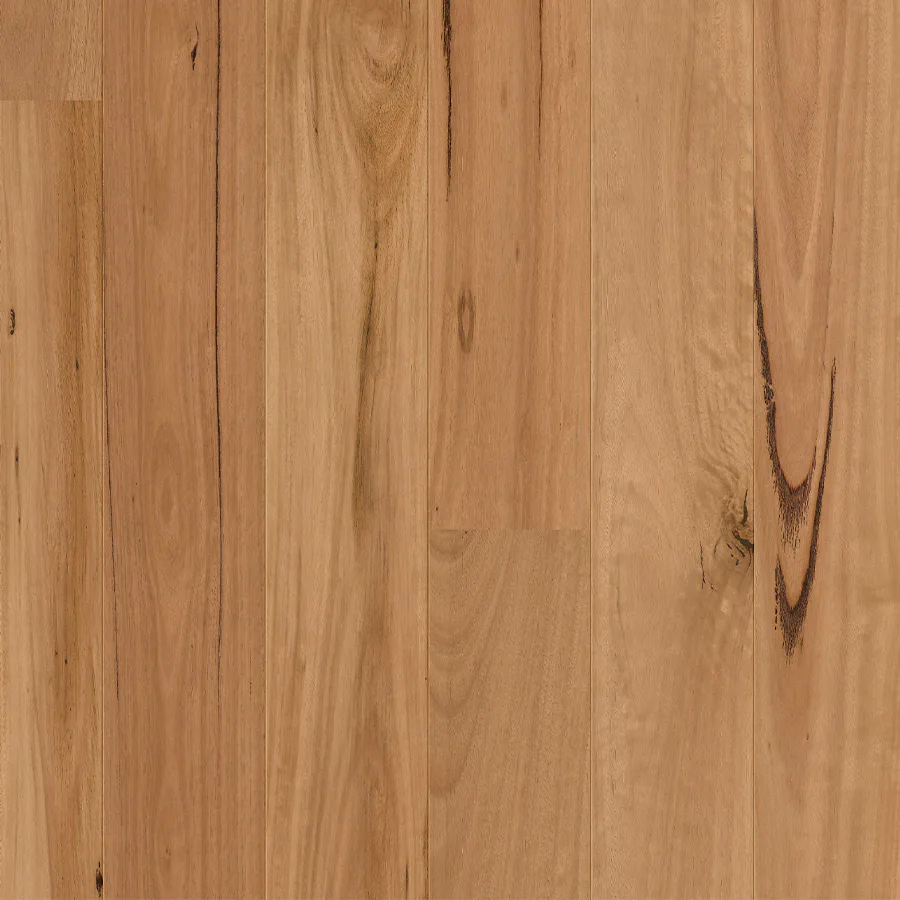
Want this look?
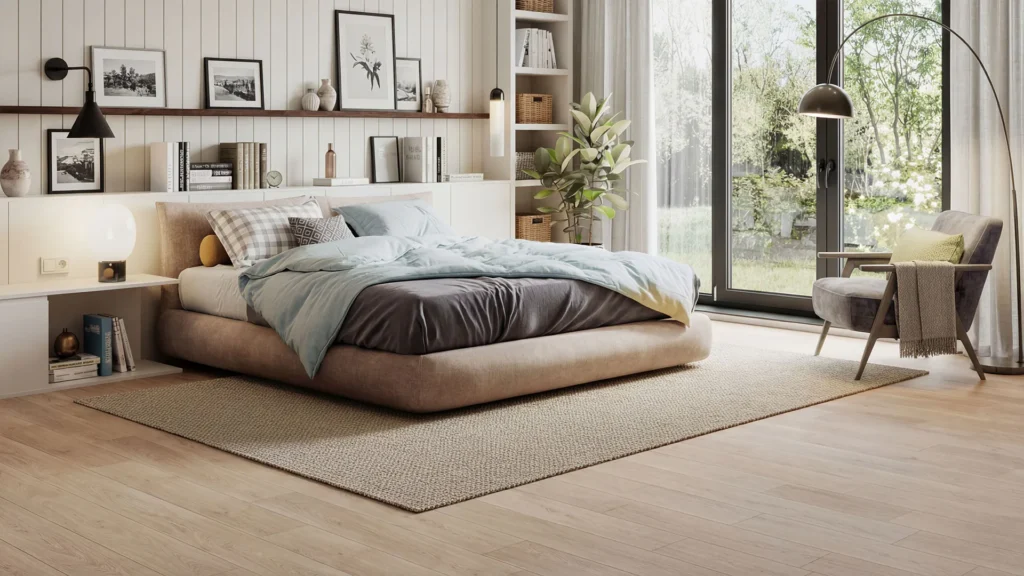
Luxury Vinyl Plank & Tile
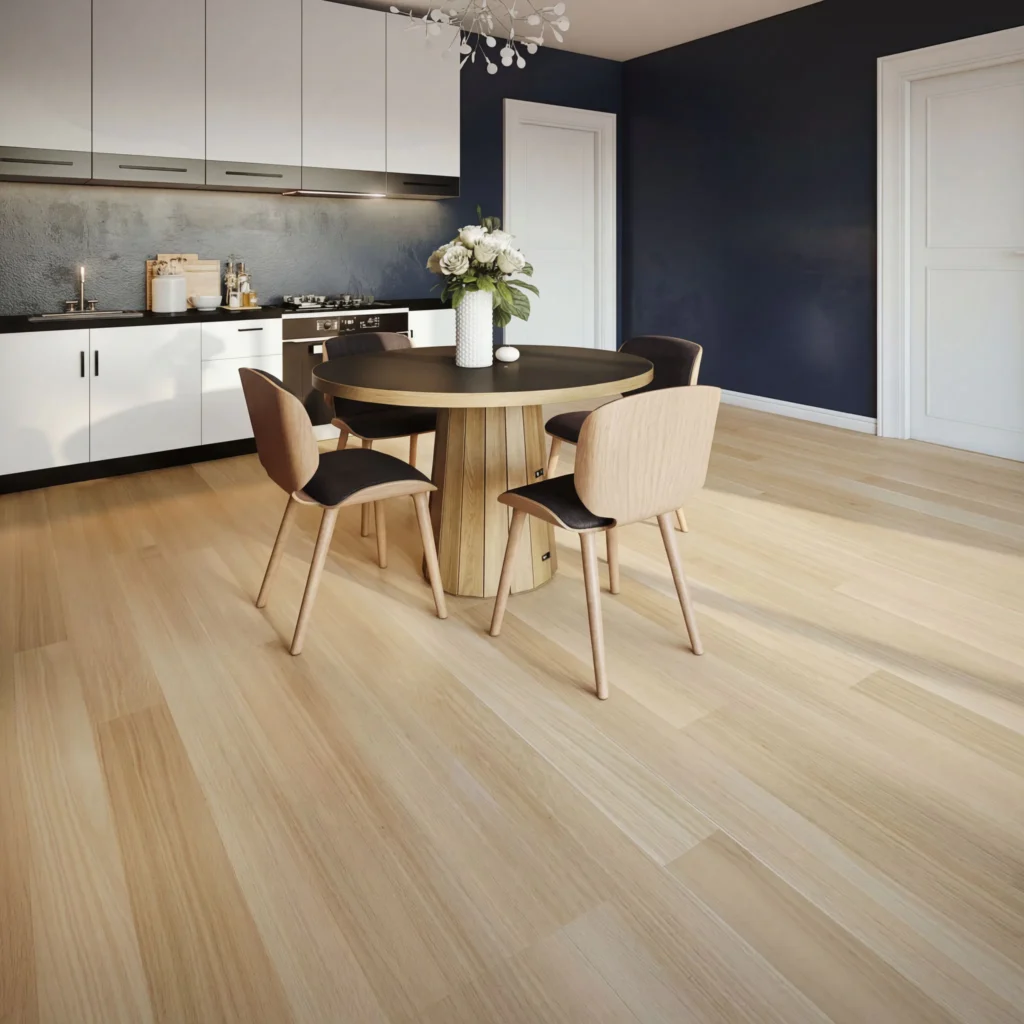
Laminate
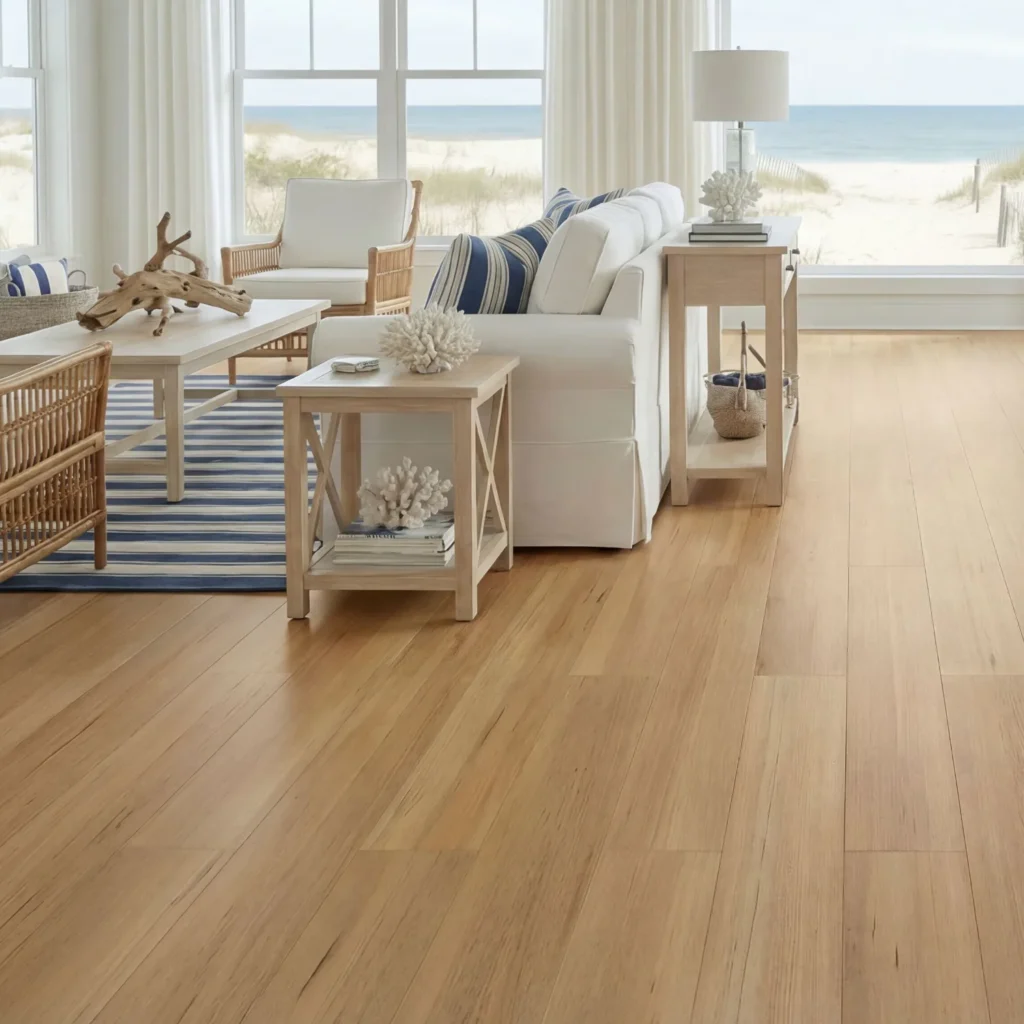
Hybrid
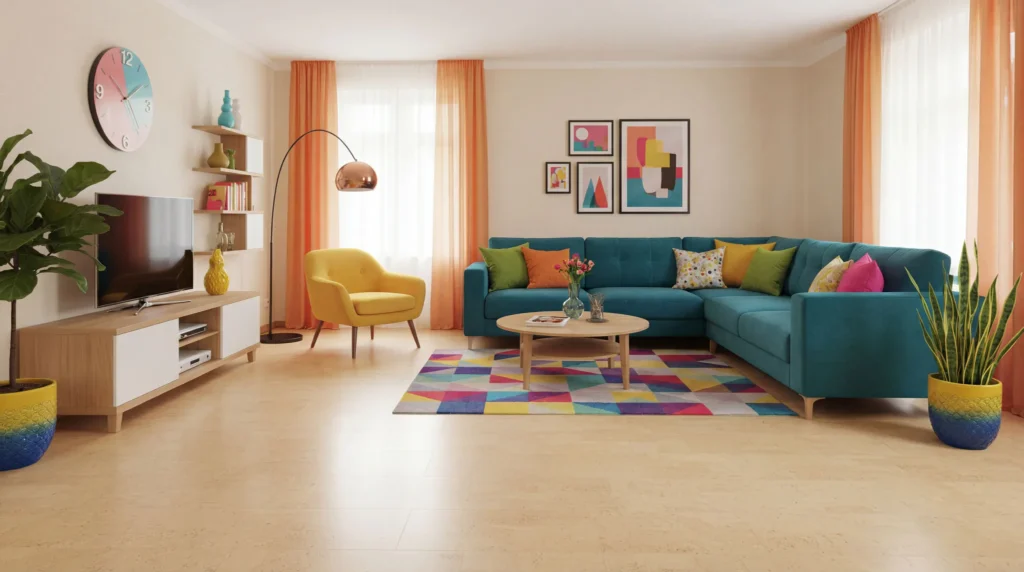
Cork
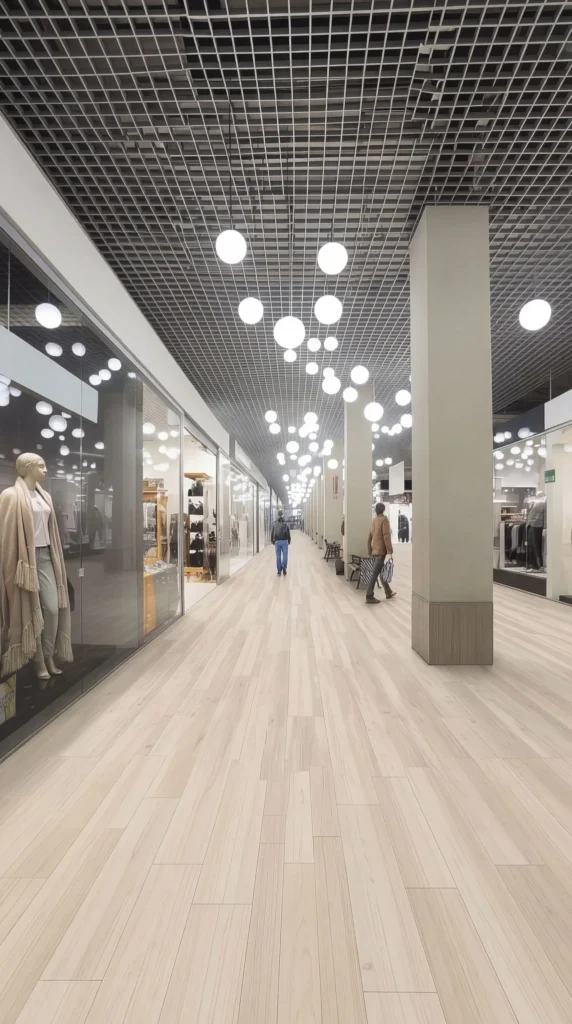
Commercial Flooring
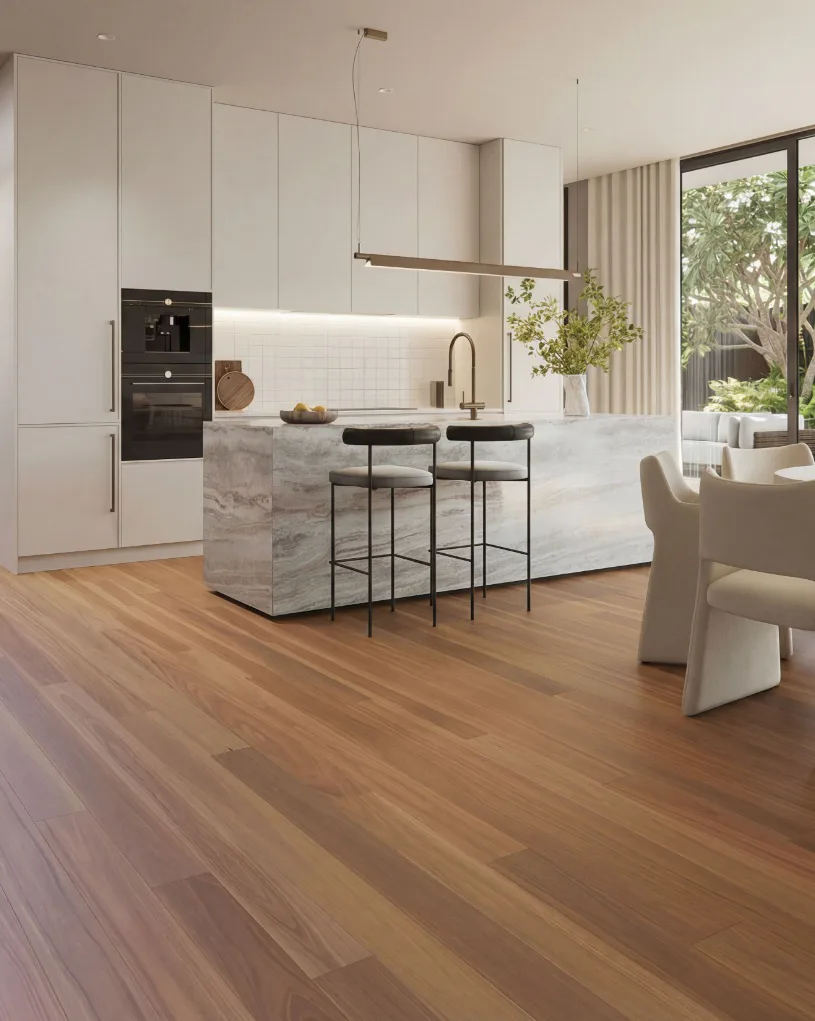
Engineered Timber
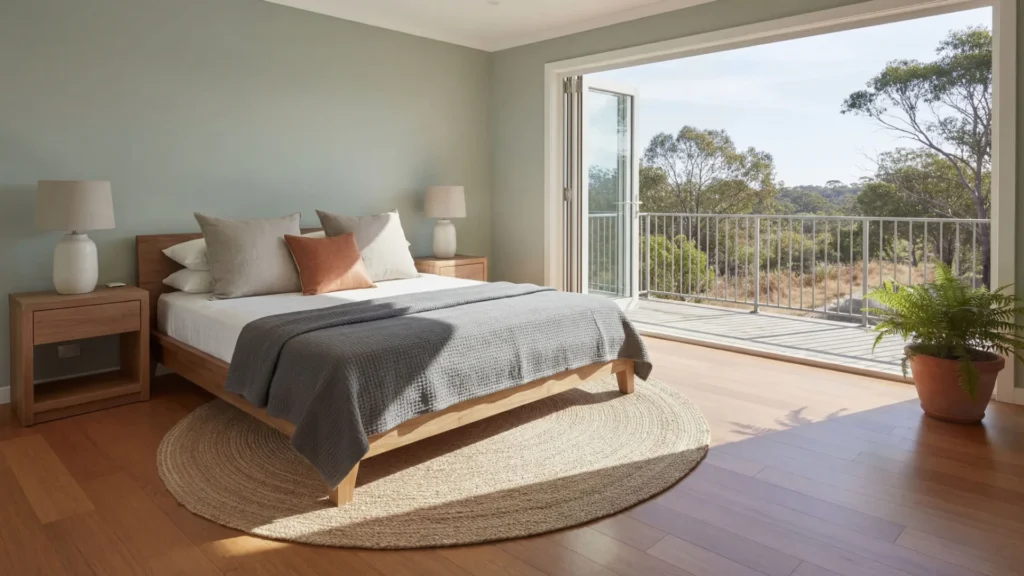
Bamboo
Sheet Vinyl
Hard Flooring Cleaning


















Find a store
Odyssey Carpet One – Adelaide City/Central


Port Adelaide Carpet One – Adelaide North
Selective Carpet One – Adelaide South
Glendowie Carpet One
Carpet One Bendigo
Carpet One Floor & Home Carina
Carpet One Stafford
Carpet One & Curtains Logan City
Carpet One Redcliffe Quality Floor & Home
Barritts Carpet One Bundaberg
Simons Carpet One Burnie
Carpet One Canberra
Central Coast Carpet One
Corrimal Carpet One
Carpet One Darwin
Simons Carpet One Devonport
Carpet One Dubbo
Carpet One Emerald
Carpet One Forster
Delta Carpet One
Gladstone Carpet One
Carpet One Bundall
Carpet One Helensvale
Carpet One Goulburn
Goulburn Valley Carpet One Floor & Home
Tassie Floorcoverings Carpet One Hobart
Carpet Junction Carpet One Margate
Hoopers Carpet One Ipswich
Simons Carpets Launceston – Carpet One
Carpet One Lithgow
Carpet One Mackay
Momentum Carpet One Preston
Carpet One Cranbourne
Carpet One Mornington
Carpet One Mildura
Carpet One Mudgee
Newcastle Carpet One
Hills Blinds & Floor Coverings Carpet One
Port Macquarie Carpet One Floor & Home
Watts Bros Carpet One Rockhampton
Kaandoo Carpet One St Helens
Sunshine Coast Carpet One & Tiles Caloundra
Sunshine Coast Carpet One & Tiles Maroochydore
Engadine Floorstore Carpet One
Picton Floorstore Carpet One
Image Carpets and Blinds
Carpeteria Carpet One Bondi Junction
Carpet One Crows Nest
Carpet One Tamworth
Carpet One Thornton
Carpet One Home and Commercial Toowoomba
Townsville Carpet One Floor & Home
Coast to Country Carpet One Wonthaggi
Most Popular Bamboo, Cork, Engineered Timber, Hard Flooring, Hybrid, Laminate, Luxury Vinyl Plank & Tile, Sheet Vinyl Products
Apollo 1500
Arboris
Arc Bamboo
Australian Hardwood - Naturals Range
Donato
Grandura
Knight Tile Gluedown
Looselay Longboard
Looselay Originals
Maxi Super 9.5mm
Maxi Vinyl 2.5mm
Nature's Oak
Noosa TX
NuCore Excellence
Quick-Step Amato
Quick-Step Cascada
Quick-Step Impressive Ultra
Quick-Step ReadyFlor 1 Strip
Quick-Step ReadyFlor 2 Strip
Quick-Step ReadyFlor 3 Strip
Quick-Step ReadyFlor Herringbone
Readycork Ambient
ResiPlank Hybrid Summit 977
Titan Hybrid XXL
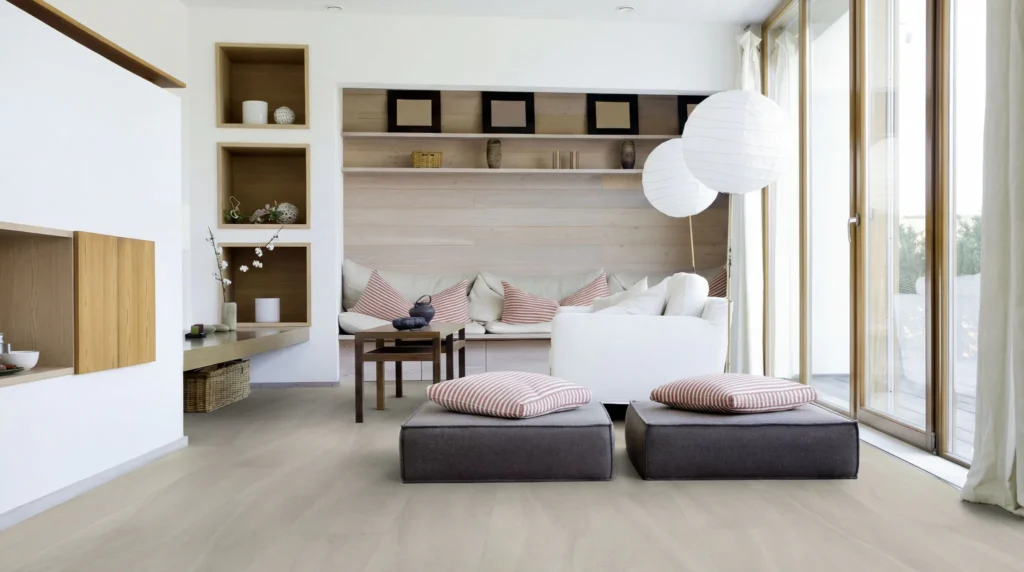
Hard flooring brings style and lasting value to your home. Durable, easy to clean, and versatile, hard flooring stands up to busy spaces while offering a wide range of looks, from classic oak boards to modern stone effects.
Whether you’re after the natural beauty of timber, the resilience of vinyl, or the practicality of laminate, the right choice can transform your space and make everyday living easier.
Your Total Price, Sorted
Types of Hard Flooring
Hard flooring options are a popular choice for many homeowners and designers due to their durability, style, and ease of maintenance. Understanding the different types of hard flooring can help you select the best material to suit your space and lifestyle.
Engineered timber flooring offers the same beautiful appearance, durability, and feel as solid timber flooring at a more affordable price. It adds a warm and classic touch to any space. Each plank showcases natural grain patterns and subtle differences, giving your home its own unique charm. making it a smart and stylish choice for your home.
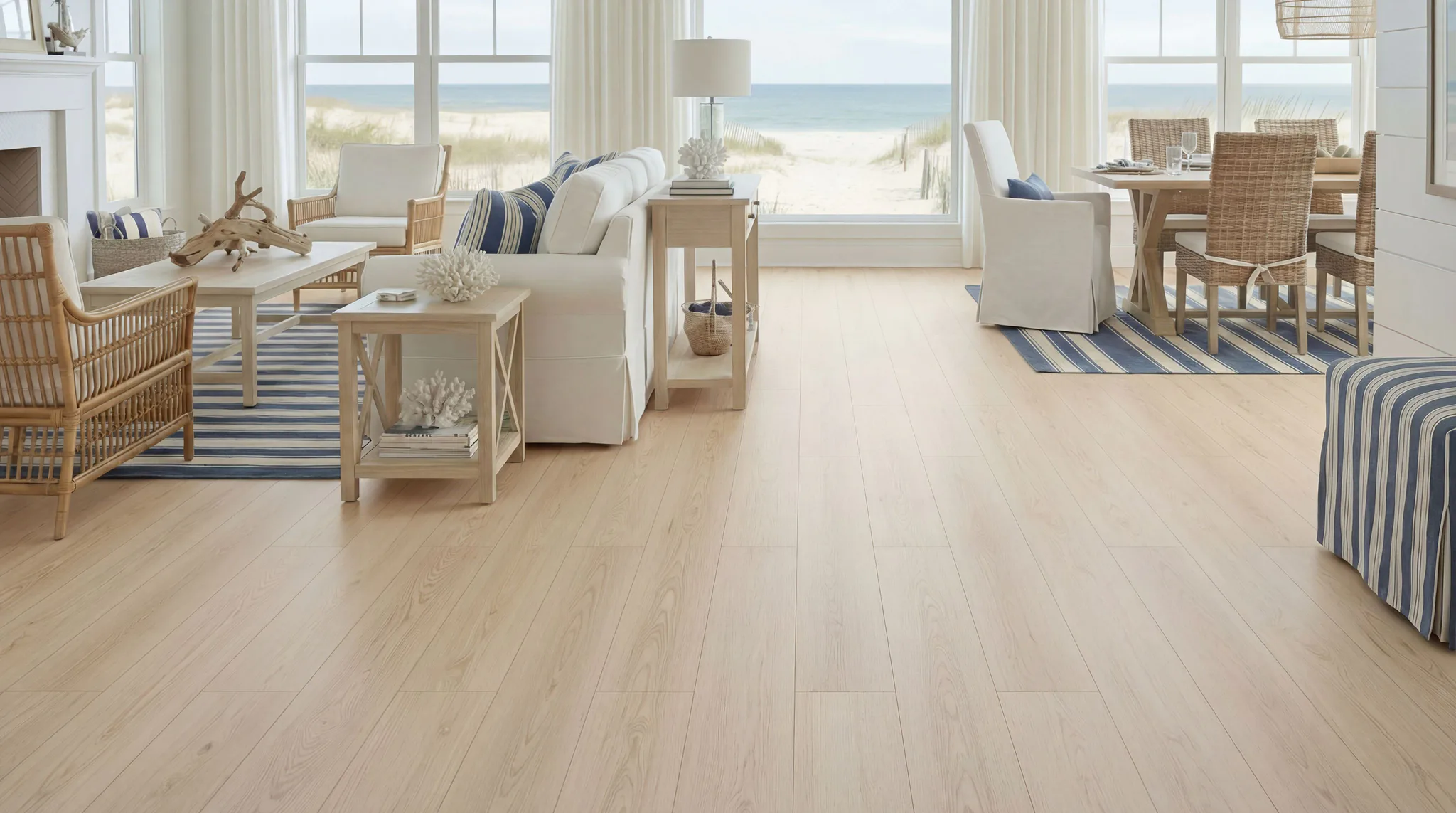
Want a flooring option that’s easier on the wallet? Laminate flooring offers the beautiful appearance of real wood at a more budget-friendly price, making it a popular choice for busy homeowners seeking a stylish, practical finish for their space. Additionally, laminate floors are known for being durable, easy to clean, and low-maintenance, which makes them an ideal option for families and busy households.
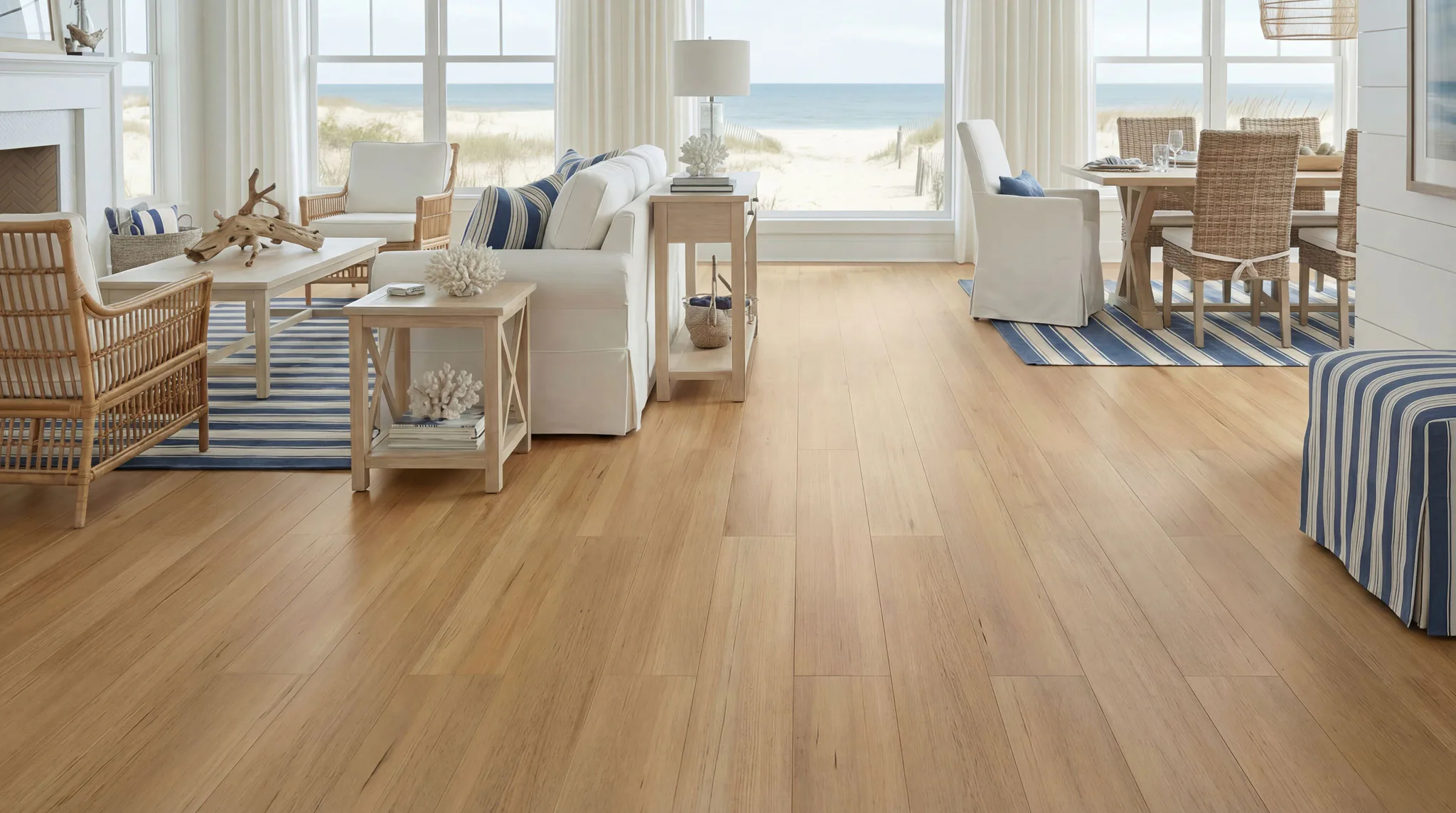
Vinyl planks and tiles are wonderfully versatile, water-resistant, and simple to care for, making them perfect choices for busy spots like high-traffic areas and kitchens. They are available in an array of beautiful colours and designs, including stunningly realistic timber and stone appearances.
Hybrid flooring is a durable and water-resistant choice that offers excellent stability thanks to its rigid core. It’s also very easy to maintain, making it a practical option for busy households. Plus, it comes in a variety of realistic wood and stone designs, so you can find a style that perfectly complements your home decor.
For the eco-conscious homeowner, bamboo flooring presents a sustainable alternative to traditional timber. Its modern aesthetic aligns with various interior styles, while its durability ensures a long-lasting solution. Bamboo is rapidly renewable, making it an environmentally friendly choice that doesn’t compromise on beauty or quality.
Resilient Flooring Options
Sometimes you want a floor that’s tough enough for family life but still gentle underfoot. Resilient flooring is firm and durable yet has a slight give, making it more comfortable to walk on and better at absorbing impact.
If you’re looking for an eco-friendly solution, cork flooring is a wonderful option. It’s made from a renewable resource and offers excellent thermal and acoustic insulation. Its cushioned texture makes it very comfortable to walk on. It’s especially great for playrooms, bedrooms, or anywhere you’d like to add a bit of extra cosiness.
Sheet vinyl flooring offers seamless coverage that’s easy to clean and resistant to spills. With designs that mimic timber, stone, or tile, it gives you the look you love with the everyday convenience you need.
Choosing the Right Flooring for Your Space
Selecting the right flooring depends on your lifestyle, budget, aesthetic preferences, and the space itself, while keeping the unique qualities of each option in mind.
Kitchens and dining areas are best suited for surfaces that can handle spills and regular use. Hybrid and vinyl flooring are excellent choices because they resist water and are simple to clean. Also, high-quality laminate flooring with a protective coating can be a good option for these spaces.
When it comes to bedrooms and living areas, you have plenty of options to choose from. If you enjoy a cosy feel underfoot, cork and vinyl flooring could be just what you’re looking for. Of course, many other hard flooring options are versatile and suit different rooms beautifully.
Design preferences also play a significant role. Some people love the timeless character of natural wood, while others prefer the look of stone. Colour and finish can change the feel of the room: lighter tones brighten and open up smaller spaces, while darker ones add depth and sophistication. Even the size of the planks or how they’re laid can transform how the room feels. It’s all about finding what feels right for you!
Floors that resist scratches, dents, and spills, and are easy to clean, like vinyl planks or hybrid flooring, are great for homes with pets and children.
While budget considerations are important, it’s also helpful to think beyond just the initial price. For instance, options like laminate or sheet vinyl are budget-friendly and practical choices that can meet your needs well. On the other hand, higher-end options like solid timber might cost more at the start, but they often last for decades and can even boost your home’s resale value, making them a worthwhile investment.
At Carpet One, we’ve been helping Australians select the right flooring for their homes and businesses for decades. We understand what works in busy family households, endures in high-traffic areas, and makes a space feel more welcoming.
Hard Flooring FAQs
Installation time depends on the type of flooring, the size of the space and the subfloor preparation required. Our team will give you a clear timeline before work begins so you know exactly what to expect.
Some flooring types, such as laminate and engineered timber, require an underlay. Vinyl planks and hybrid flooring often don’t need it, making installation simpler.
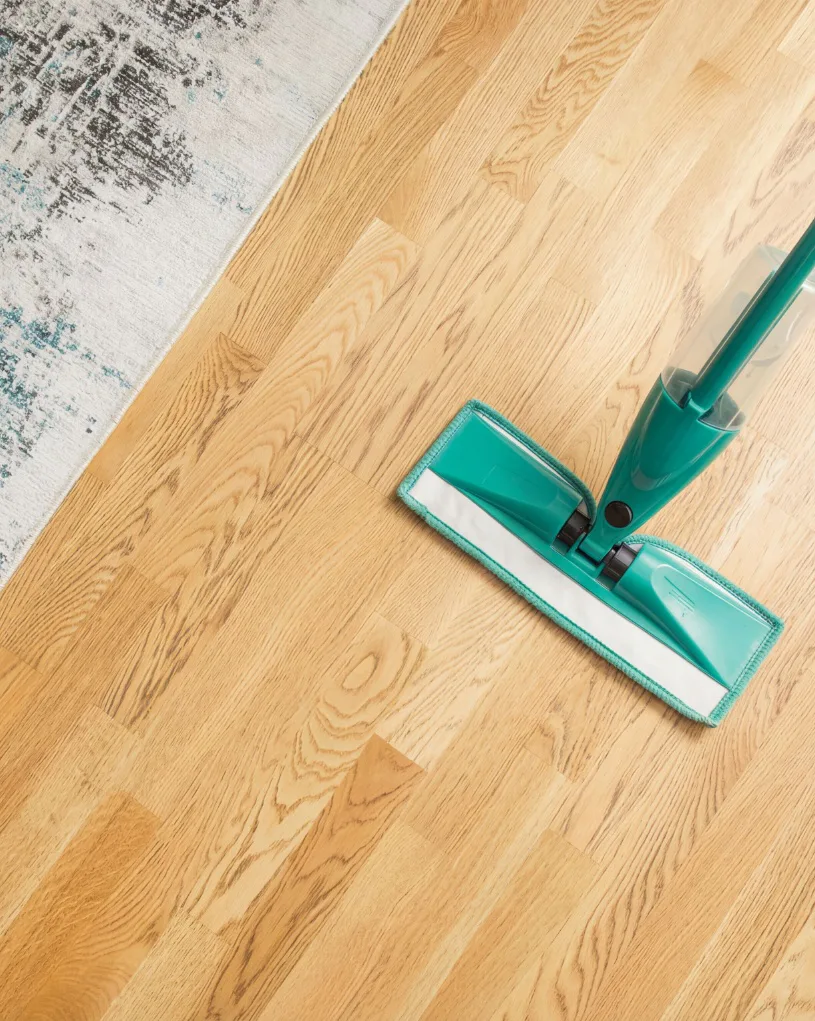
Regular sweeping or vacuuming paired with a damp mop is usually enough to keep your floors clean. Check the specific maintenance instructions for your flooring type and use only approved cleaning products. Use mats at entryways to catch dirt before it reaches the floor.
Sheet vinyl, vinyl planks and laminate flooring are popular choices because they are cost-effective, durable, and stylish enough to appeal to tenants.
In some cases, yes. You can install floating floors, such as engineered timber, hybrid, and laminate, over existing surfaces, provided they’re clean, level, and in good condition. Your Carpet One expert installers are always happy to guide you through the process.
No. Steam mops are not recommended for vinyl plank flooring. The heat and moisture can weaken adhesives and cause long-term damage. Use a damp mop with a vinyl-safe cleaner instead.
In some cases, yes, but professional installation is strongly recommended. The existing tiled surface must be firmly bonded, clean, dry and level. Grout lines may need to be filled and smoothed so they don’t show through the finished floor.
Vinyl planks are often laid parallel to the longest wall to create a sense of flow. Room shape, doorways and natural light can also influence the best layout.
A general allowance is around 10% extra for waste and offcuts. Rooms with angles, built-ins or complex layouts may require more.
Costs vary depending on the product, installation approach and the amount of subfloor preparation required. The best way to get an accurate figure is to arrange a measure and quote.
No. Hybrid flooring uses a rigid core with a vinyl surface layer and is designed to be highly water resistant. Engineered timber flooring uses a genuine timber veneer over a stable core, giving you the authentic look and feel of real wood.
Yes, if it’s installed as a floating floor, an underlay is typically required. Underlay can help with noise reduction, smooth out minor subfloor imperfections, and provide protection against rising moisture. Glue-down installations don’t usually use underlay unless a specialised acoustic layer is specified.
Engineered timber has a real timber veneer bonded to a multi-layer core. Laminate uses a high-resolution printed surface layer over a dense fibreboard core. They differ in look, feel, and how they’re made, so the best choice depends on the room, budget, and how you’ll use the space.
It depends on the thickness of the timber wear layer. Some engineered timber floors can be lightly sanded and refinished, while others are designed for surface recoating only. Check the manufacturer’s specifications for your chosen product.
With proper installation and regular care, engineered timber flooring can last 20 to 30 years or more, making it a durable, long-term flooring choice for many homes.
Yes. Many laminate products are designed for busy households. Check the product’s wear performance and ratings to confirm it suits the space.
Most laminates are water-resistant rather than fully waterproof. Some ranges handle splashes better than others, but standing water can still cause damage, especially at joins and edges.
Some water-resistant laminate ranges can work well in kitchens, depending on the product and installation. Always follow the manufacturer’s guidance for moisture management and edge detailing.
Often, yes, as long as the existing surface is hard, clean, dry and level. Always check the manufacturer’s instructions first, as requirements and warranty conditions can vary.
Many laminate products can be compatible, but limits and installation requirements vary by range. Always follow the manufacturer’s temperature guidelines and installation instructions.
Click-lock systems can make installation feel approachable, but subfloor prep and finishing details are where problems usually happen. If you’re not confident, professional installation can help protect the finish and warranty.
Thickness can change how the floor feels underfoot and may help with sound and stability, but it’s not the only factor. The wear layer, core quality and correct installation all play a big role in how it performs.
Both are often click-lock floating floors with timber-look designs, but the core is different. Laminate uses a high-density fibreboard core, while hybrid uses a rigid composite core made from plastic and mineral-based materials. Suitability depends on the room and the product.
Cork flooring can be used in kitchens if spills are cleaned promptly and humidity is well managed. It’s not recommended for bathrooms or laundries.
With proper care and maintenance, cork flooring can last 20 to 30 years. Periodic resealing may help extend its lifespan.
Cork flooring can recover from minor pressure, but heavy furniture or sharp heels may cause permanent indentations. Protective pads can help reduce damage.
Cork is considered a renewable flooring option because the bark is harvested without cutting down the tree, and it regenerates over time.
Cork flooring may lighten or darken with prolonged direct sunlight. Curtains, blinds or UV protection can help minimise colour change.
Many cork flooring products can be lightly sanded and resealed, depending on the thickness and surface construction. Check the manufacturer’s specifications for your chosen range.
It’s best to avoid steam cleaners on cork flooring, as heat and moisture can damage the surface. Use a lightly damp mop with an approved cleaner instead.
Sheet vinyl is commonly installed in kitchens, bathrooms and laundries, as well as hallways, utility rooms and play areas. It’s a popular choice anywhere you want a floor that’s easy to clean and comfortable underfoot.
Smaller rooms can be a DIY project, but sheet vinyl installation can become complex in larger or irregular spaces. Pattern matching, careful cutting around fixtures and neat join detailing all affect the final finish, especially in wet areas.
It depends on the quality of the product, the thickness of the wear layer, how busy the room is, and how well it’s maintained. High-quality, well-maintained sheet vinyl can last anywhere from 10 to 20 years.
Foam underlays aren’t used with sheet vinyl. In some situations, a hard underlay or smoothing layer may be needed to create a flatter surface, depending on the subfloor and the product.
This may have been a concern in the past or with very low-quality vinyl. Today, reputable manufacturers follow much stricter environmental and health standards, and many ranges are tested for VOC emissions. If this is important for your home, check the specifications for the product you’re considering.
Sheet vinyl can often be installed over existing hard floors if the surface is in good condition, clean, level and dry. Carpet and other soft floor coverings need to be removed first.
Commercial flooring is engineered to withstand far greater demands than residential products. It is built for heavy foot traffic, rolling loads, and frequent cleaning, often with stronger wear layers or protective coatings that resist stains, scratches, and chemicals. Residential flooring, by comparison, is designed for lighter use and suits everyday household needs.
Yes. Many commercial flooring products are available with recycled content, low VOC certifications, and end-of-life recycling programs. Choosing products with environmental certifications helps align with sustainability initiatives.
Signs include visible wear (cracks, scratches), persistent stains or odours, and reduced safety (slippery or uneven surfaces).
Laminate can be a practical choice in moderate‑traffic environments. The key factor to check is the AC rating (Abrasion Class), which measures how well the flooring resists wear and impact. An AC3-rated floor is suitable for moderate commercial use, such as small offices, classrooms, or boutique shops where traffic is steady but not extreme. Flooring with an AC4 rating is appropriate for busier environments such as cafés or larger retail areas, where it must withstand more frequent foot traffic and furniture movement.
We don’t recommend bamboo for bathrooms or other wet areas. In kitchens, it can work if spills are cleaned quickly and humidity is managed, but some homes may prefer hybrid or vinyl in spill-prone zones.
It depends on the product. Some bamboo floors can be lightly sanded and refinished once or twice, while others can’t. Always check the manufacturer’s specifications before planning refinishing.
Like most natural materials, bamboo can lighten or darken over time when exposed to direct sunlight. Curtains, blinds, or UV-protective window films can help minimise colour change.
When installed correctly with the right underlay, bamboo flooring provides a solid feel and helps reduce noise. Poor installation or incorrect underlay selection can increase sound transmission or make the floor sound hollow.
Bamboo flooring is generally more affordable than many timber flooring options, while still offering a similar natural look. Pricing varies depending on construction type and finish.
With proper installation and care, bamboo flooring can last 20 to 25 years or more. Strandwoven bamboo often offers greater longevity due to its density.
Hybrid flooring often has a water-resistant surface, which helps with everyday spills. It isn’t waterproof, so it’s not recommended for wet areas like bathrooms and laundries.
Hybrid uses a click-lock floating system that’s designed to make installation simpler, but success really comes down to correct subfloor preparation and the right technique. For best results, professional installation is recommended.
Hybrid flooring can last around 15 to 25 years with proper installation and regular care, depending on product quality, traffic and maintenance.
Many hybrid products have a pre-attached underlay, so a separate soft underlay usually isn’t needed. Always check the manufacturer’s specifications for your product.
Hybrid flooring is compatible with many underfloor heating systems. Follow the manufacturer’s instructions to confirm suitability and performance.